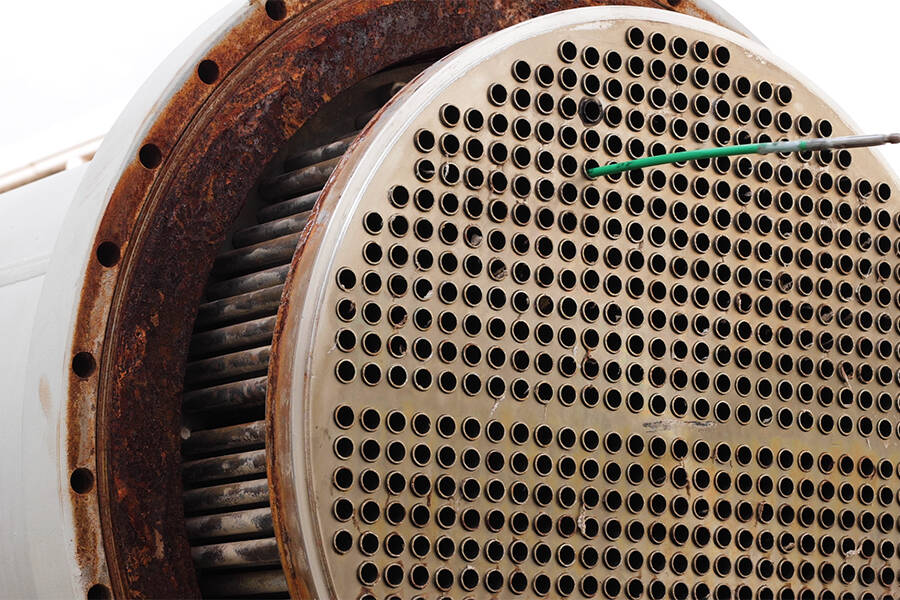

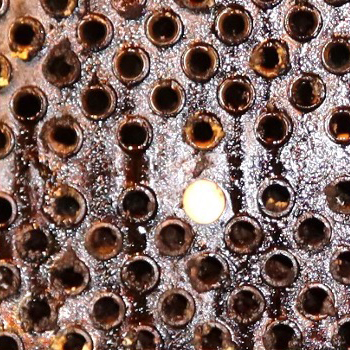
By preventing the build-up of corrosion, HeatX preserves the efficiency of the heat exchanger, saving on downtime and costs for the operator.
01
Filmwise condensation makes energy generation less efficient
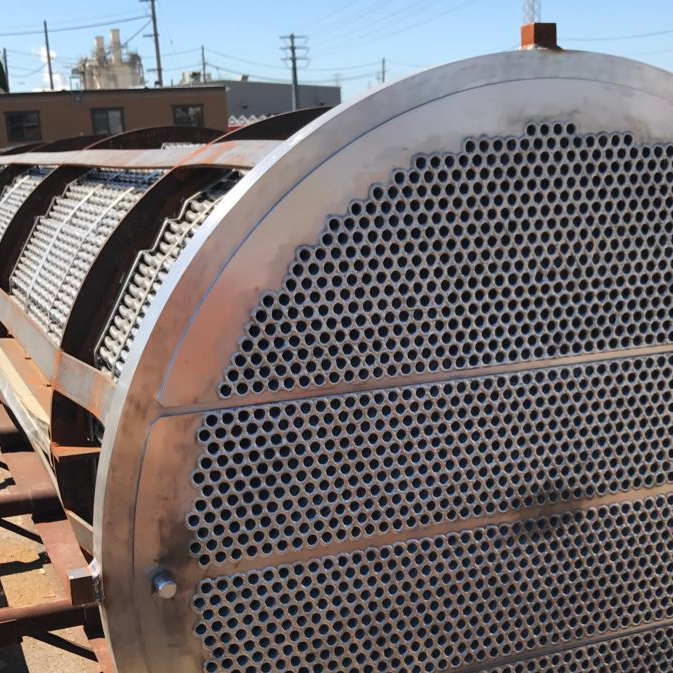
In a typical steam turbine power plant, steam moves around a turbine in order to produce power. Once steam exits the turbine, it moves through a condenser to be re-used.
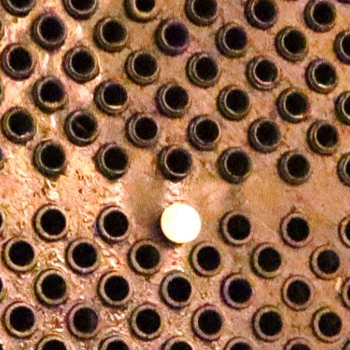
A condenser’s performance is largely dependent on how quickly tubes are able to condense the steam. When steam comes into contact with these cool metal tubes, filmwise condensation forms over the whole tube. This layer of condensed water then prevents more steam from contacting the cold tube surface, acting as an insulator and preventing the condenser from pulling in more steam more quickly.
Nearly half of efficiency loss comes from this condenser phase.
02
HeatX enables a more efficient form of condensation
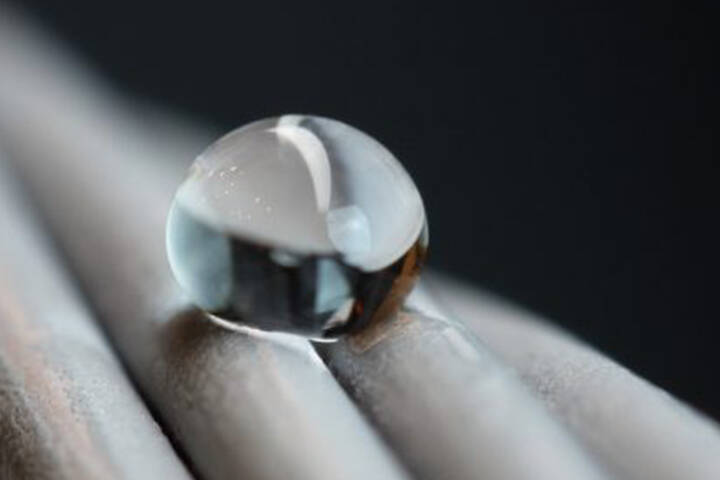
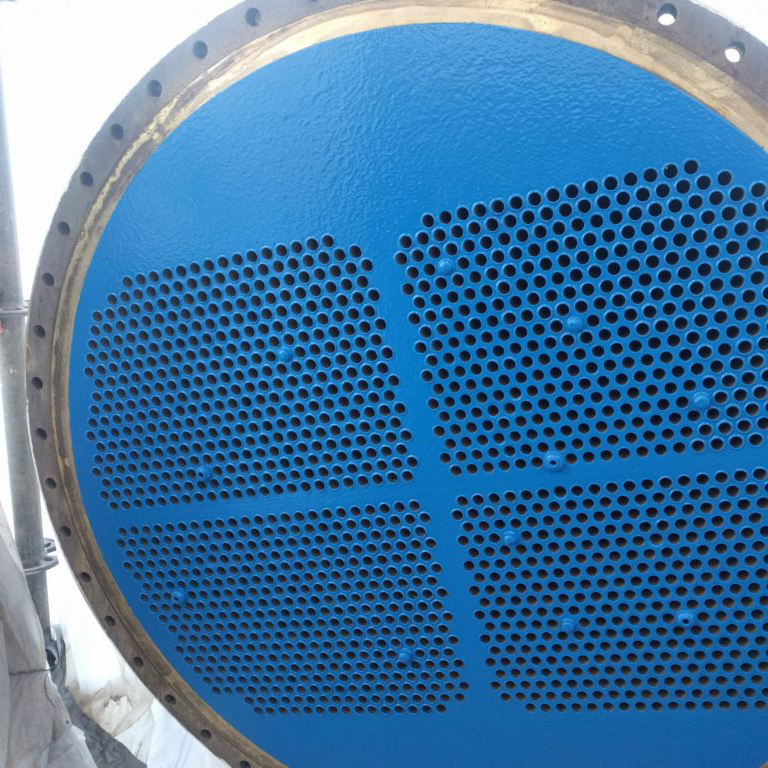
HeatX enables dropwise condensation, where water rolls off before it has a chance to create an insulating film. Less than 2 milliliters thick, HeatX works by creating a hydrophobic surface, increasing condensation speeds, and lowering the backpressure within the condenser — meaning that used steam is condensed more quickly and steam exiting the turbine can enter more quickly.
03
Why it matters
This improvement in backpressure means that more electricity can be created from an unchanged amount of fuel burn. Oceanit has tested this efficiency improvement in the overall electricity generation cycle to an average of 2.5% improvement overall.
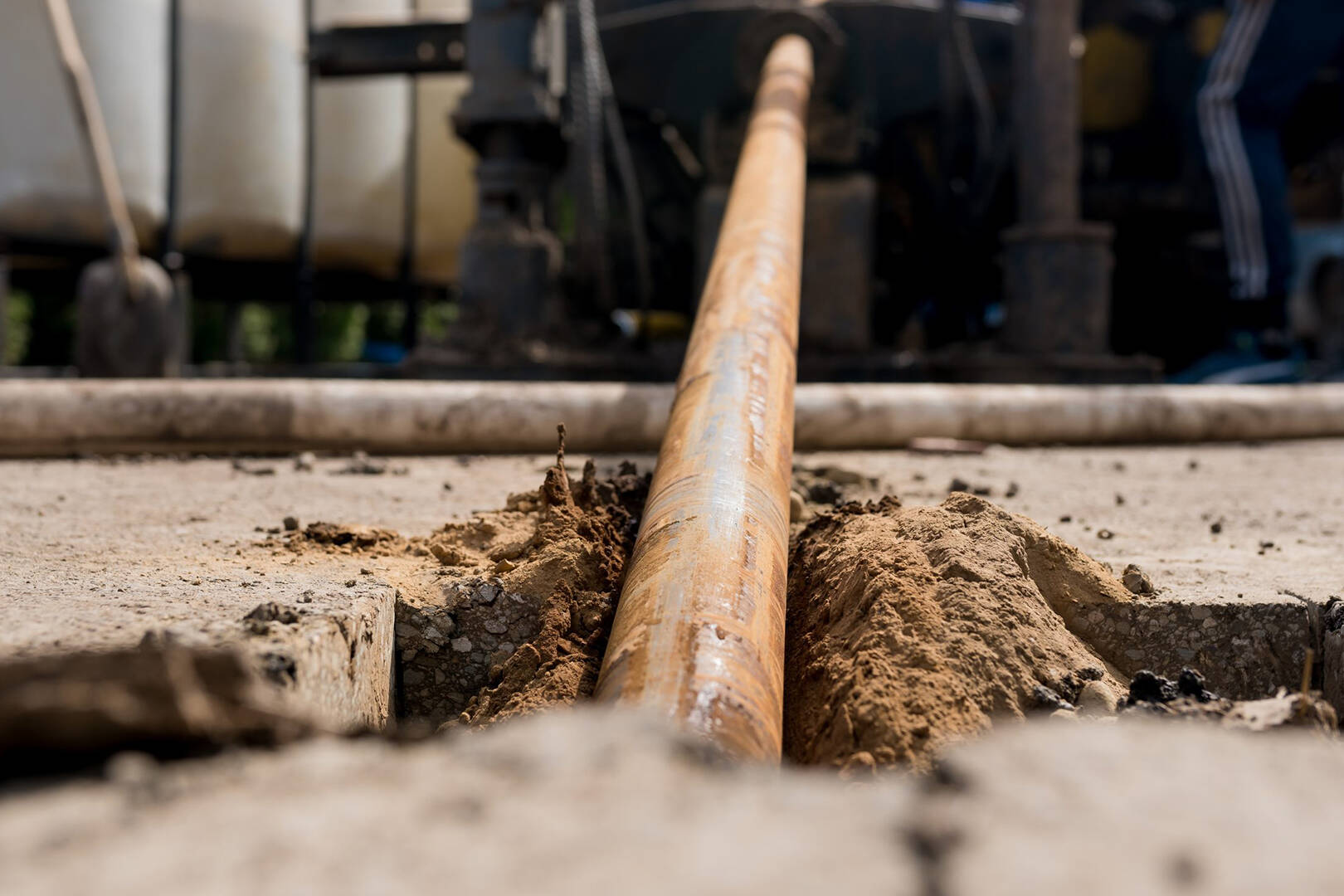
By preventing the build-up of insulating corrosion or bio-fouling, HeatX preserves the efficiency of the heat exchanger, saving a large amount of maintenance downtime and costs for the operator.
At a glance
HeatX...
A water-and-oil compatible nano coating material that allows for use in mixed-phase and oleic systems Extreme thinness of the nano coating (2 mil DFT), allows for negligible change in exchanger thermal efficiency. Treated material is compatible with a variety of different inspection techniques (eddy current, boroscope, leak-testing) Resistant to abrasive wear due to particulate contaminants. Capable of surviving intake silt from unprocessed, unfiltered sea water. Non-biocidal, non-toxic