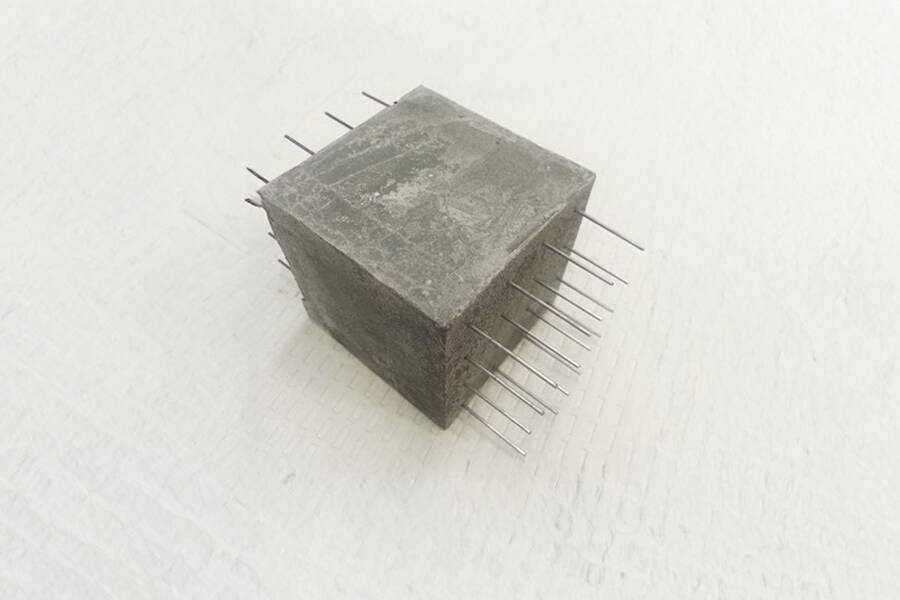

MANA is a new class of hybrid polymer battery separators for lithium-ion batteries, developed with controllable porosity, conductivity, and excellent thermal stability (up to 250°C).
Lithium-ion (Li-ion) battery safety remains a significant concern, as li-ion battery damage can lead to fires and explosion failures. When a li-ion battery is damaged, ruptures can lead to the ejection of hazardous materials, and rapid heat release can cause propagation from cell to cell resulting in a total catastrophic failure event. This thermal runaway is the major cause of fires attributed to li-ion batteries.
A Li-ion battery contains an anode (negative), a cathode (positive), a separator membrane, and an electrolyte. During charging or discharging, Li-ions move between the anode and cathode with the help of electrolytes. The critical safety component is the separator, which maintains the separation of anode and cathode electrolytes, only allowing Li-ions to pass through. If the separator is compromised by damage, wear, or overheating, it can lead to dangerous short circuits, melting, and even fires or explosions.
Current battery technologies use polyolefin-based separator technology, which can shrink, melt, crack, split, and burn under certain conditions. In contrast, separators made of more thermally stable materials can prevent these effects. Safety has been a limiting factor in adopting li-ion batteries by defense aviation and space industries. However, safer, high-energy-density lithium-ion batteries are considered critical for future developments in aviation, defense, transportation, and more.
Oceanit is developing MANA’s nanofiber manufacturing method to enable a 50% increase in separator porosity and ionic conductivity, endowing MANA with superior thermal stability, durability, wettability, and ionic conductivity over standard tri-layer polyolefin separators.
At <160°C, current commercially-available battery separators completely melt and shrink, causing a complete thermal runaway failure. At temperatures surpassing 200°C, the MANA separator is still intact, even after a complete battery meltdown. Mana does not melt and does not catch fire, staying intact up to 250°C.
Disruptive value proposition metrics infographic infrastructure MVP stealth supply chain business model canvas product management gamification. Branding stealth equity. Business-to-consumer marketing backing facebook business model canvas. Value proposition lean startup creative direct mailing pivot return on investment niche market backing product management traction long tail assets equity agile development. Ramen first mover advantage hackathon A/B testing. Supply chain gen-z monetization MVP growth hacking metrics. Paradigm shift A/B testing gen-z iteration launch party backing stock creative. Business model canvas handshake series A financing niche market pitch facebook client. Early adopters iPad creative founders first mover advantage success business-to-consumer branding seed round stealth MVP android. Ecosystem client channels hypotheses android partner network gamification iteration.
Key Features
- High-temperature melt integrity (250 °C) provides thermal stability in extreme environments
- Nanostructured separator with excellent resistance to acids, bases & solvents
- Oxidation resistance for excellent cycling and trickle charge performance
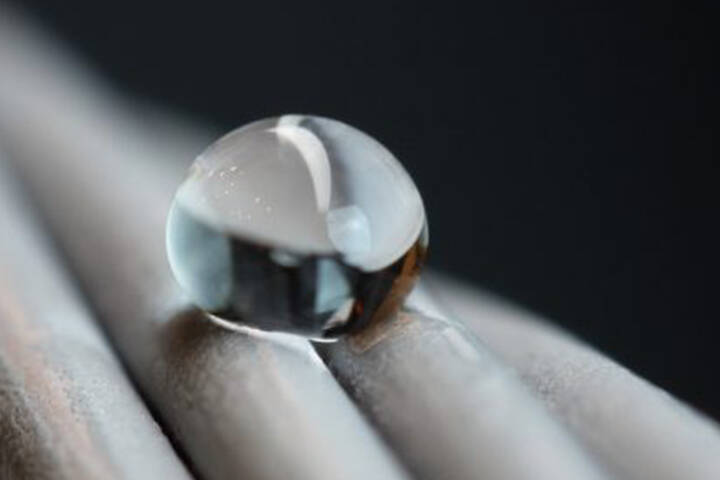
- Highly porous nanostructure enables rapid wettability and high electrolyte retention
- Low electrical impedance and high porosity provides high-rate capabilities
In addition, Oceanit is looking to leverage Oceanit membrane technology into other ion-selective technologies. The MANA high-temperature membrane can be utilized in any battery that requires superior safety.