
Shipping fresh produce results in wasted food. But it doesn’t have to.
01
Fresh produce is lost to spoilage
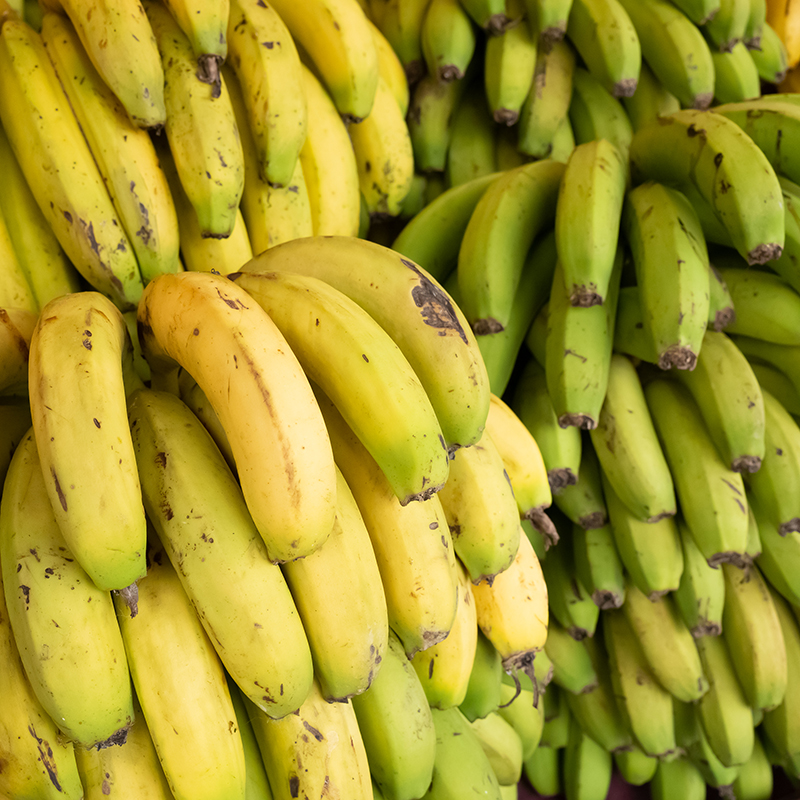
It’s estimated that 30% of produce spoils before it reaches its destination, resulting in food waste, increased costs, and inefficient transport along the global supply chain. For isolated regions like Hawaiʻi, which imports most of its fresh food, this places a higher cost of living burden on its residents. Hawaiʻi also grows climacteric fruit like papayas, which would benefit from a longer shipping window to arrive at peak freshness.
02
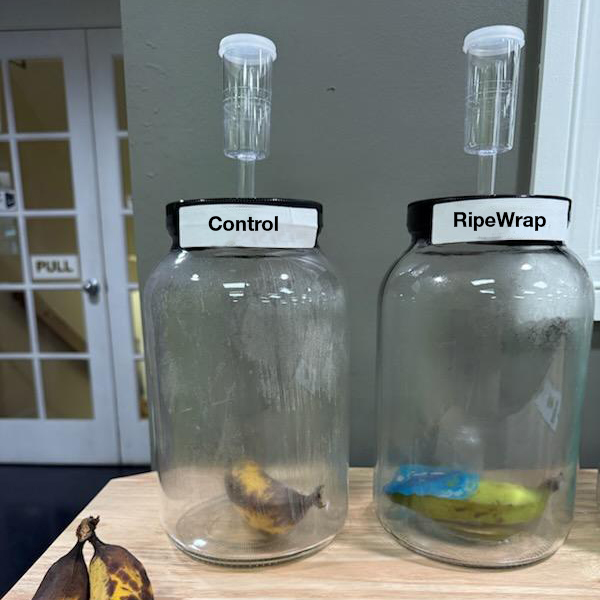
RipeWrap ‘stops time’
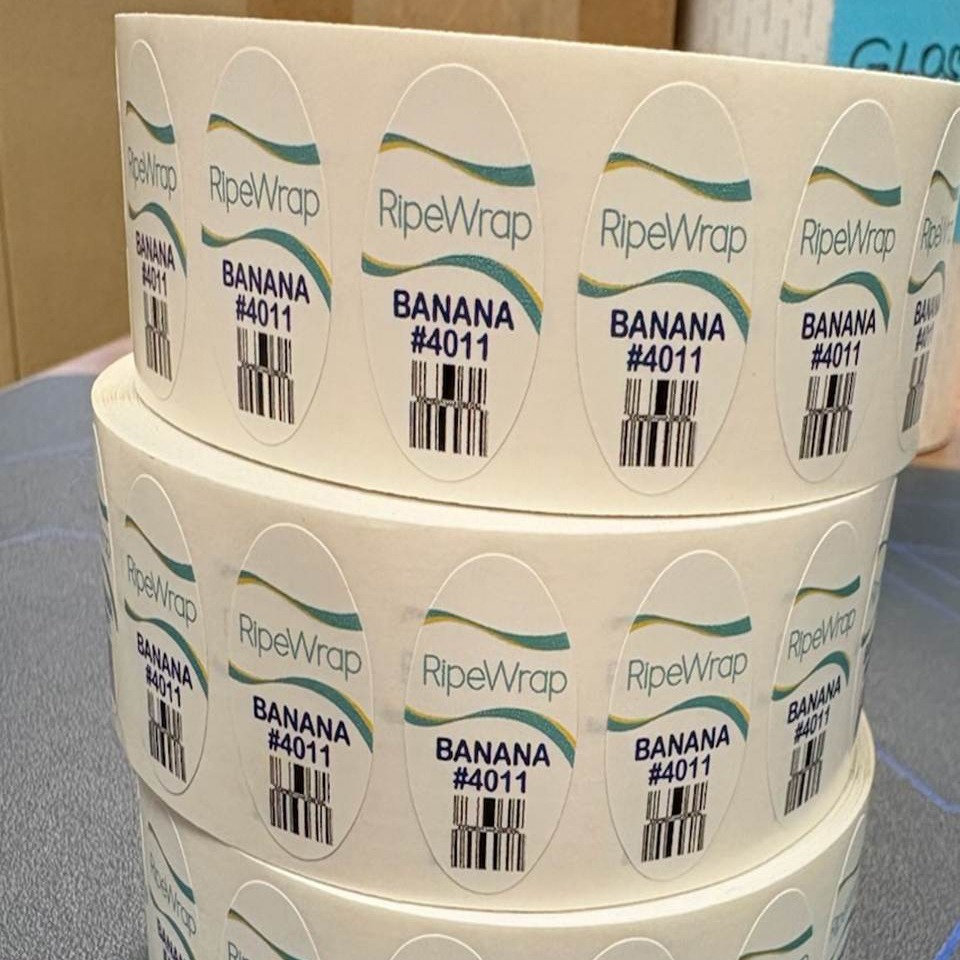
RipeWrap absorbs ethylene gas, the natural ripening agent found in climacteric produce like tomatoes, bananas, papayas, and most stone fruit. Using Metal Organic Framework (MOF) technology, this ethylene-absorbing material can be incorporated into various packaging materials for both long-distance shipping and at home, such as boxes, produce label stickers, and sachets for your crisper drawer.
03
Resulting in less food waste
Using RipeWrap saves agricultural producers and logistics operators time and expense previously lost to spoilage, and allows households to keep and use food longer, resulting in less food waste. Thanks to its flexible format, RipeWrap solves for both industrial and household needs.