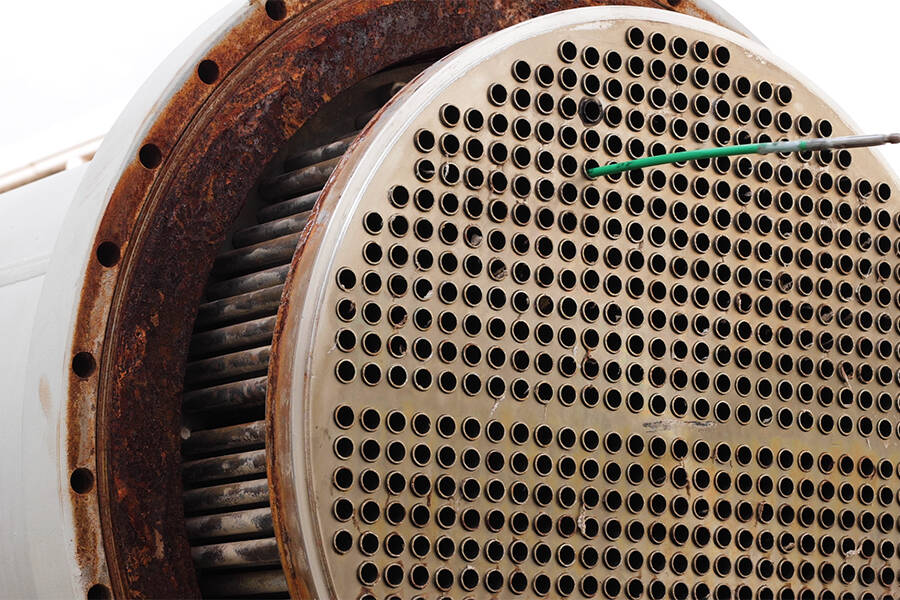

F1 Racing data is methodically tracked and analyzed, but STALLION makes it automatic and easier to synthesize.
01
Real-time analytics require heavy support
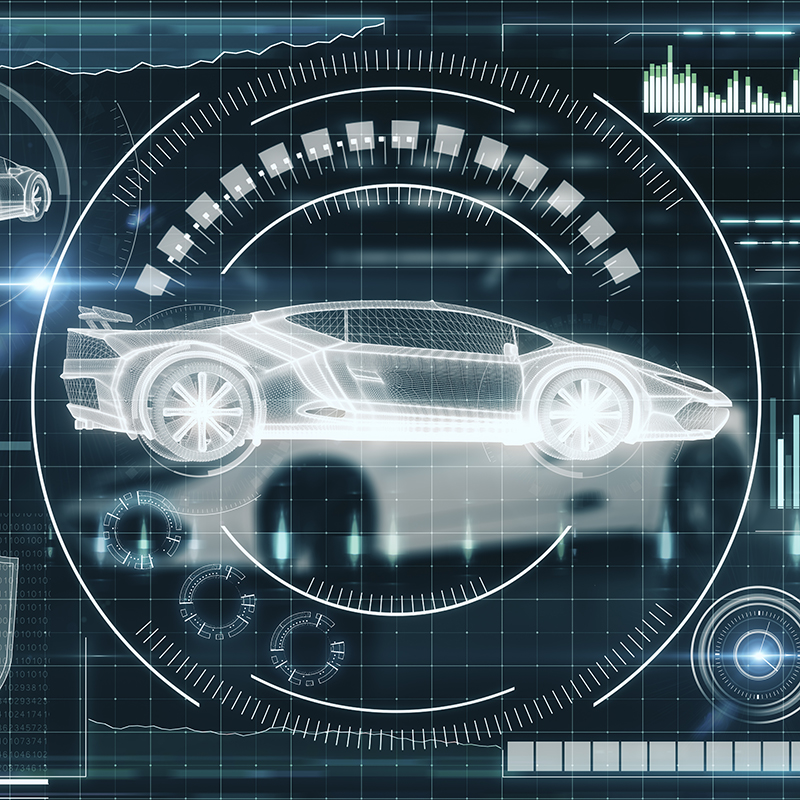
Today’s F1 drivers use hundreds of sensors to track their vehicles’ health, environment, and performance. But that data is complex, takes time to transmit, and has to be interpreted by experts before it can be useful. This data information is helpful in post-event analysis, but not for real-time decision-making.
02
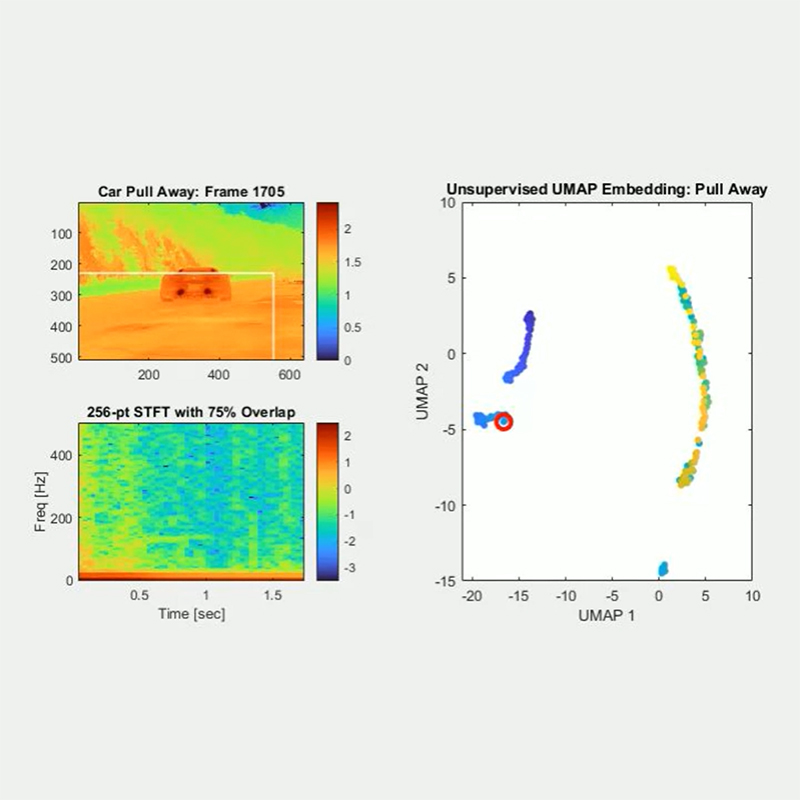
STALLION does it all — instantly
STALLION turns a vehicle into an intelligent edge platform that tracks a vehicle’s kinetic and thermal performance without relying on on-board sensors. With just one external sensor, STALLION can sense vehicle performance indicators that are linked to a specific cause. This provides support teams with holistic, synthesized data about the entire vehicle system so they can make decisions at the speed of light.

03
Applications beyond F1 Racing
F1 Racing is just one arena that STALLION benefits. Any vehicle, aircraft, or mechanical performance can be improved with minimal setup, time, and expense.
Oceanit previewed this technology at Snapshots of the Future, an event held in conjunction with the 2026 Offshore Technology Conference. Check out a sneak peek of our most up-and-coming technologies here.