Aviation Week MRO Americas 2022 | Oceanit Presents AeroPel

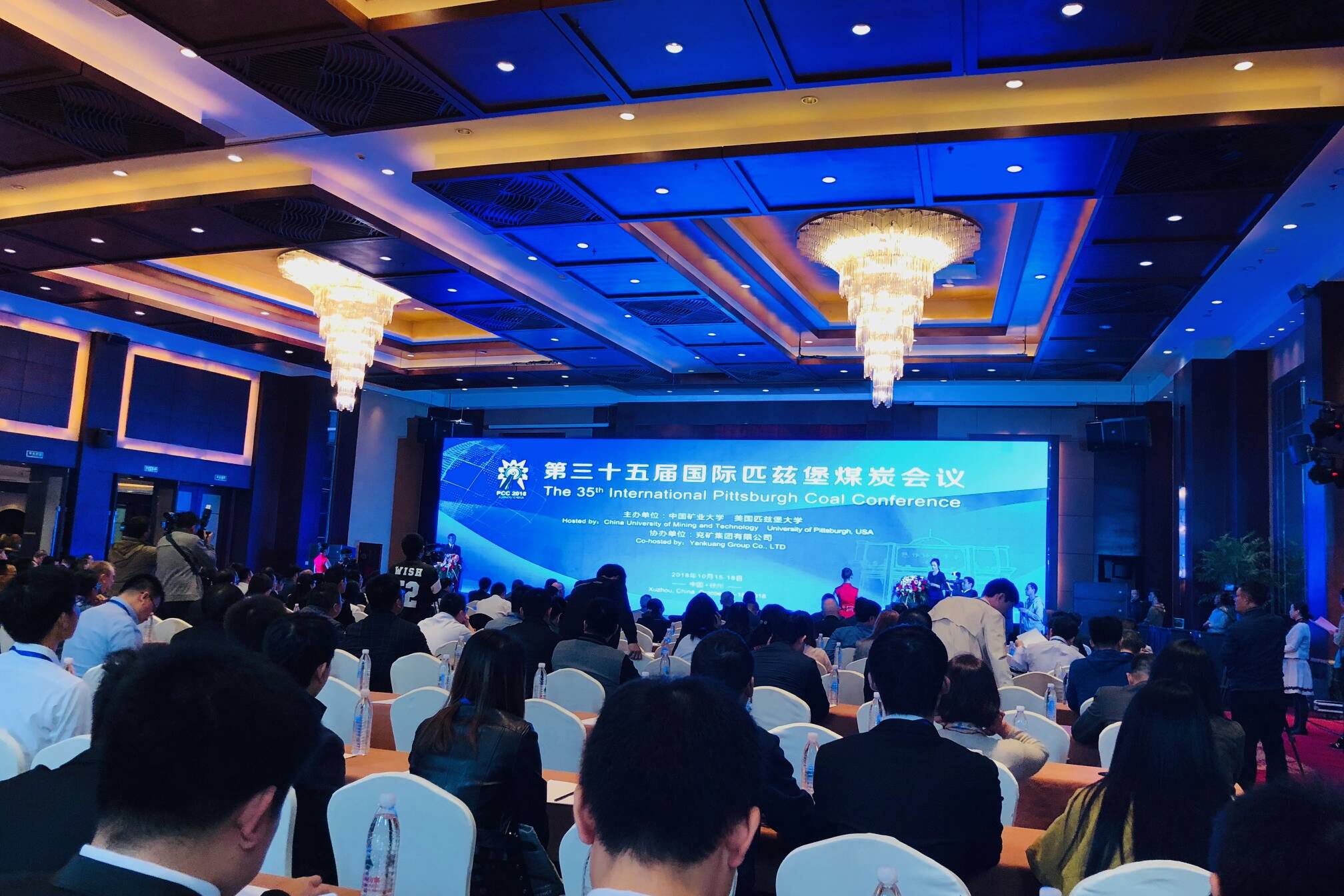
You're invited! Come visit us at booth #3540 of the Aviation Week MRO Americas conference in Dallas, Texas at the Kay Bailey Hutchison Convention Center, April 26-28.

Oceanit's AeroPel Nanocomposite Protective Layer (NPL) is the next gen of corrosion and ice protection for the aviation industry. Water-based omniphobic and chemical-based icephobic NPLs impart surface protection against corrosion for structures and components, superhydrophobic properties to limit ice nucleation and reduce adhesion strength, MIC & fouling prevention, and more.

Registration to attend is FREE until March 18th.


Press Release | Department of Energy Selects Oceanit for Research and Development Award for Acoustic Metamaterials

  • Award is one of 158 grants totaling $35M nationwide to support scientific innovation and clean energy development
  • Sustainable and renewable energy sources, such as geothermal, are necessary for the long-term health of the planet, yet geothermal wells are a high-risk component of development.
  • Oceanit acoustic metamaterials could provide near real-time assessment of well conditions, vastly improving safety

11 January 2022 | U.S. Energy Secretary Jennifer Granholm announced today that Oceanit was awarded one of 158 Department of Energy grants totaling $35 million, awarded to 68 small businesses in 24 states, including projects relating to wind turbine and wind farms, improved battery electrolytes, solar generation of hydrogen, and upcycling of carbon dioxide, along with a wide range of other efforts.

Oceanit’s project will center on developing advanced metamaterials to improve diagnostics for geothermal energy. Building upon previous development of acoustic metamaterials, Oceanit will demonstrate methods to continuously monitor geothermal wells’ mechanical stress states and thermal and chemical condition. Responsive metamaterials effectively turn a well into a sensor, improving monitoring capability and de-risking geothermal development.

Geothermal energy, such as using water from hot springs for bathing and space heating, has been around for millennia. More recently, geothermal power (generating electricity from geothermal energy) has gained in importance, with many scientists believing that the Earth’s geothermal resources can sustainably supply all of humanity’s energy needs. Geothermal holds the promise of clean energy, yet has perplexed those who want to tap into its massive resource, because it also risks emitting toxic fumes, like sulfur gas, sulfuric acid steam and other health challenges.

To address this, Oceanit recently received support from US DOE to investigate constructing a “digital well” by using smart materials to build geothermal well casing.  Over the last several years, Oceanit has developed a variety of nanotechnology and smart materials that can sense and report on operating conditions while also in use.  This work originally started with Oceanit’s DOD research into smart materials that could measure, sense, and report on a variety of conditions, e.g., aircraft stress, corrosion, viruses, etc.  Consistent with Oceanit’s “Intellectual Anarchy” approach to creating disruptive innovation, Oceanit will repurpose some of the fundamental research into a practical, real-world application that they hope will help with energy transformation – providing clean, renewable energy while protecting the local community and environment.

Currently Oceanit is in discussions to develop partnerships with international and national energy companies who would participate in the development effort and have rights to deploy the technology in their geothermal endeavors.

“Supporting small businesses will ensure we are tapping into all of America’s talent to develop clean energy technologies that will help us tackle the climate crisis,” said U.S. Secretary of Energy Jennifer M. Granholm. “DOE’s investments will enable these economic engines to optimize and commercialize their breakthroughs, while developing the next generation of climate leaders and helping to build a sustainable future to benefit all Americans.”

DOE Small Business Innovation Research (SBIR) and Small Business Technology Transfer (STTR) awards aim at transforming DOE-supported science and technology breakthroughs into viable products and services. The awards also support the development of specialized technologies and instruments that aid in scientific discovery.

Expansion of sustainable geothermal power is a critical part of reducing greenhouse emissions and preventing catastrophic warming of the planet. Oceanit’s acoustic metamaterials can reduce the safety risks involved in geothermal development. Sustainable and renewable energy sources, such as solar, hydroelectric, wind, and geothermal, are necessary for the long-term health of the planet and Oceanit is committed to energy transformation and a carbon-free energy future.

“This is part of our overall energy transformation strategy,” said Dr. Patrick Sullivan, Oceanit’s CEO, “we need to reduce impact immediately from current energy sources while simultaneously create and develop new energy sources. To effectively do this, we consider the entire energy business ecosystem – exploration & production, transmission, refining, distribution, carbon sequestration and new energies.”

Founded in Honolulu, Hawaii in 1985, Oceanit is a privately held, award-winning innovation company that works to solve important problems across sectors like aerospace, energy, environment & climate, ocean sciences, health, and materials. A ‘Mind to Market’ company, Oceanit employs the unique discipline of Intellectual Anarchy to transform fundamental science developed in the lab into impactful technologies for the market. Oceanit creates cutting-edge solutions, services, and products recognized for excellence in advanced technology R&D and aimed toward delivering the future for the next 100 years.

This is one of two DOE grants awarded to Oceanit in support of sustainable energy development in the latest round of DOE solicitations.  More information about all the projects announced by DOE today is available at the following link: https://science.osti.gov/sbir


AeroPel NPL Applied for Erosion Protection on Tandem-Rotor H-46 Sea Knight

This past weekend, Oceanit Houston had the honor of applying AeroPel Nanocomposite Protective Layer (NPL) to the rotors of a retired Marine Corps H-46 Sea Knight helicopter. Oceanit’s NPL team is working with the National United States Armed Forces Museum, who own and maintain the helicopter, designated “Pedro 01,” to evaluate NPL’s ability to protect rotor surfaces from erosion damage. 

Pedro 01 is a medium-lift tandem-rotor transport helicopter powered by twin turboshaft engines, originally developed by Vertol Aircraft Corporation. It is an HH-46E Search and Rescue (SAR) variant, referred to as a “Phrog,” and was manufactured by the Boeing Vertol Company in 1969. It was one of the last four HH-46E helicopters operated by the USMC from MCAS Cherry Point, North Carolina.  

After retirement in September 2015, the Pedro 01 Sea Knight joined the civilian world via the National United States Armed Forces Museum (NUSAFM) located in Houston, Texas. It is currently the only airworthy and active HH-46E in the world equipped with all its original SAR gear. 

In normal conditions, the leading edges of a helicopter’s rotors must be recoated with paint every 2-3 months as paint erodes, exposing the underlying rotor surface and risking premature corrosion damage. Oceanit is testing AeroPel NPL, developed to protect aircraft from corrosion, as a topcoat to significantly extend the lifespan of each rotor paint job. 

In this pilot deployment, Oceanit serviced Pedro 01 by applying the typically-used black paint to all six rotor blades, adding a topcoat of AeroPel NPL to the three front rotor blades. Over the next few maintenance cycles, the rotors will be evaluated to determine whether the NPL-treated blades fare better than the untreated rear rotor blades. 

In cooperation with Houston authorities, Pedro 01 remains active for SAR missions in the case of natural disasters around the Texas Gulf Coast region. The NUSAFM hopes that by using AeroPel NPL, maintenance cycles can be greatly extended, and the airworthiness of Pedro 01 can be maintained far into the future. 

If you are ever in the Houston area, you can visit the National United States Armed Forces Museum and see Pedro 01. The helicopter is a beautiful example of the Sea Knight in the original SAR configuration. 

Read more about the H-46 Sea Knight family of helicopters and how NUSAFM uses them today in this article by Chris Tonthat. For more information on AeroPel, visit aeropeltechnology.com. 


Managing Methane Could Buy Us Time to Cut Carbon

Even if we were to cease all human-caused carbon dioxide emissions today, the Earth would continue to experience persistent climate warming for decades due to CO2’s long atmospheric lifespan. Despite all we’re doing to cut emissions — altering the way we think about the industrialized world’s most basic building blocks — cutting carbon emissions will not be enough by itself.

Carbon dioxide is not the only greenhouse gas contributing to warming the planet. To have any hope of reaching the goal of limiting warming to 1.5–2°C, we must also pay attention to methane.

Methane, CH4, occurs naturally as a byproduct of wetland environments, but the vast majority of methane emissions today — 330 million tons annually — is the result of human activity. Primarily generated by the energy and agriculture sectors, these methane emissions contribute to about one quarter of the warming that the world is experiencing today. While humans emit CO2 at a much higher rate than methane (by a factor of over 60), methane has a far more severe greenhouse effect.

Over a 20-year period, methane gas contributes to more than 80x the warming than the same amount of carbon dioxide does. Luckily, when compared to carbon dioxide, methane is more potent and shorter-lived in the atmosphere. While carbon dioxide can stick around in the atmosphere for centuries or even millennia, methane’s atmospheric half-life is only about a decade. Reducing methane emissions quickly and dramatically would have a noticeable impact on global warming trends within the next two decades. As such, halving our methane emissions by 2030 could slow warming by around 30%, shaving 0.25°C off our predicted warming by 2050, and over 0.5°C by 2100.

Additionally, recent studies show that we can reduce our emissions by 57% utilizing current, already available technologies alone. And, according to the International Energy Agency (IEA), as much as 40% of methane emissions from the fossil fuel industry — 9% of all human methane emissions — can be eliminated at minimal costs for companies.

That’s because methane is also significantly more valuable than CO2.

Methane accounts for around 30% of the world’s fossil fuel consumption as the primary component of what’s referred to as ‘natural gas.’ Burning natural gas for energy results in lower emissions — of nearly all types of air pollutants, including carbon dioxide — than burning coal or petroleum products (50–60% less CO2 is emitted by burning natural gas compared to coal) to produce an equal amount of energy. And unlike carbon dioxide, a byproduct of petroleum energy production, methane itself is a commodity, so companies have an economic incentive to reduce the amount of methane lost to the atmosphere. This is where enormous gains can be made — if the math can add up.

In recent years, the United States has become a net exporter of natural gas. Over 300,000 miles of natural gas pipelines crisscross the U.S., providing energy to consumers, businesses, and other countries. While natural gas is a cleaner and more efficient fuel, the transport and storage infrastructure accompanying it is aging and degrading at a time when demand is increasing, leading to leaks, pipe failures, and even explosions. These accidents, of course, have negative impacts on the environment and human health.

Like damaged goods or petty theft for retail companies, this “spillage” of methane represents lost revenue for energy companies. If affordable measures can prevent leaks in natural gas production, transport, and storage, these companies stand to benefit just as the environment does.

A 2018 study of natural gas facilities around the U.S. showed that methane emissions from America’s oil and gas industry are 60% higher than Environmental Protecting Agency estimates, due to transport and storage leaks and improper venting — as much as 7.1 million tons. Much of this can be mitigated by improving best practices and adopting new technologies.

Leak detection and repair (LDAR) is a vital process for all parts of the supply chain from extraction to distribution, as even small leaks can lead to catastrophic failure. However, by the nature of LDAR programs, the more frequently they run, the fewer leaks they catch, while each run costs the same amount regardless. LDAR also tends to have lower costs higher in the production stream where infrastructure is concentrated within a facility rather than throughout the length of a transmission pipeline. And so, companies often have a hard time economically justifying frequent, regular inspection and repair, particularly on transmission and distribution lines.

Every time a natural gas pipeline is vented or leaks, harmful, yet valuable methane is released into the atmosphere. This not only impacts the environment but means lost revenue and loss of a relatively clean-burning fuel supply. And so, with best practices not always being followed, new technology and innovation could lead the way.

Low-cost, high-efficiency technologies may offer a head start to energy companies for both their safety and environmental impact goals, and to their bottom lines.

For the past several years, the U.S. Department of Energy (DOE) has supported Oceanit in developing a suite of nanocomposite surface treatments to improve the efficiency and reduce the environmental impacts and risks around our country’s aging energy infrastructure. With support from the DOE’s Office of Fossil Energy’s National Energy Technology Laboratory (NETL), Oceanit has developed a novel, water-based surface treatment that prevents corrosion, pitting, and leaks in metallic pipes — and could significantly contribute to reducing methane emissions.

This innovation is called DragX.

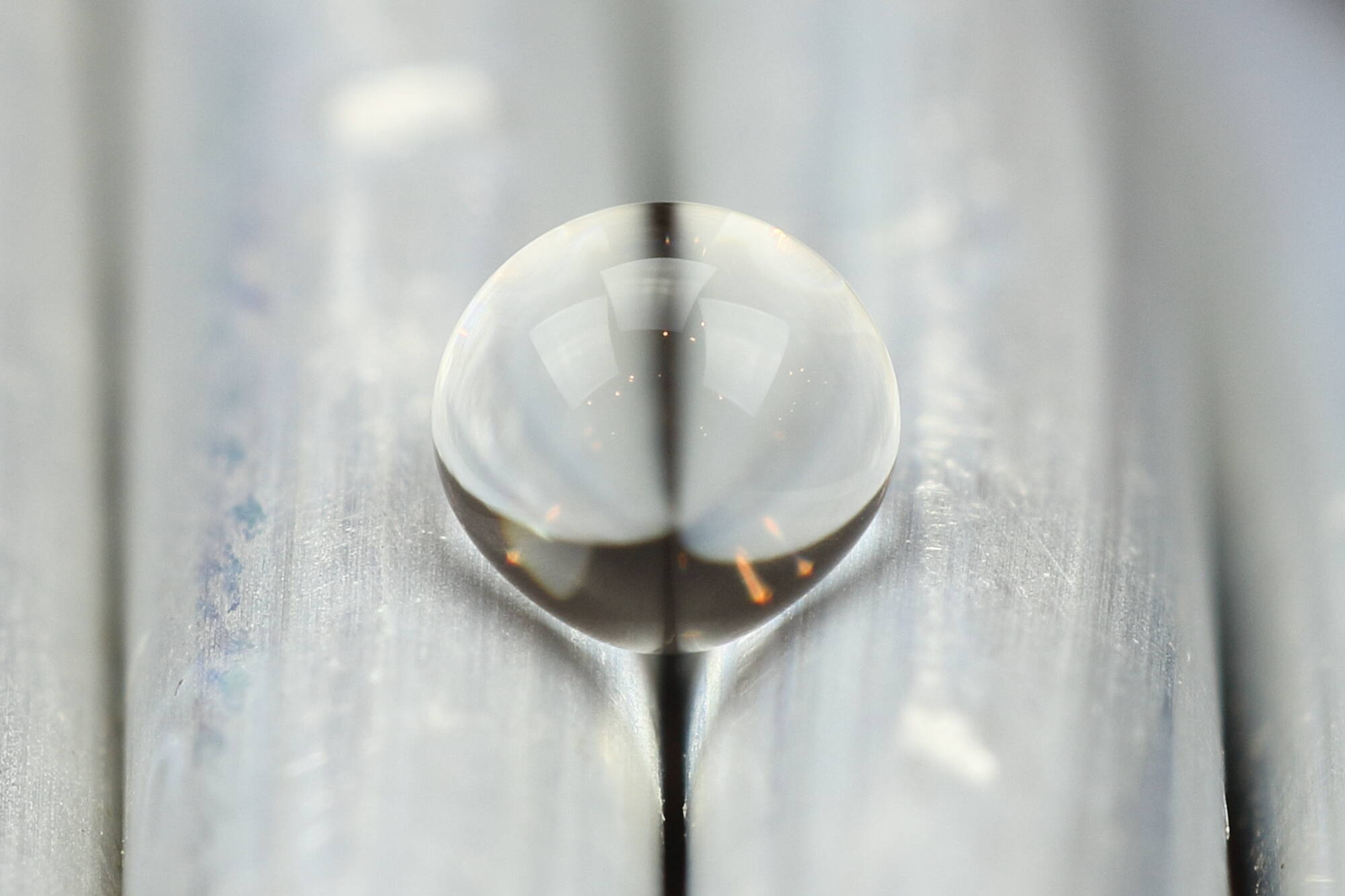
DragX is a non-toxic, water-based nanocomposite that creates a slick, low surface energy passivating layer when applied to metal surfaces. When applied to the interior of a pipe, the omniphobic (water- and oil-repelling) properties mitigate corrosion and build-up by preventing anything from attaching to a pipe’s surface. It can be applied to long, in-situ pipelines of any diameter to increase efficiency — even on old, in-service pipelines.

Widespread deployment of DragX could be the key to mitigating leaks in fossil fuel supply chains around the world. It could minimize the risk of infrequent inspections by protecting the structural integrity of pipelines. Independent lab testing has shown that pipes treated with DragX are 36 times more corrosion-resistant than untreated pipes. That is, a pipe treated with DragX would take 36 years to corrode as much as an untreated pipe does in just one year.

DragX can also decrease the amount of methane vented into the atmosphere by minimizing debris buildup and allowing pipelines to run more efficiently for longer periods. When pipelines are opened for inspection or maintenance, the gas within the pipe is often vented out. Pipelines coated with DragX are resistant to adhesion and deposition of unwanted debris. With less buildup, pipelines run more efficiently and require less frequent maintenance and therefore less venting.

So-called “drop-in” solutions like DragX offer more than just environmental benefits — they make financial sense too. DragX can be applied in-situ to pipelines of all ages, so there’s no need to replace parts or dig up pipelines in order to deploy. It isn’t a big piece of machinery, nor does it require any additional maintenance. DragX simply reduces corrosion, mitigating unnecessary methane emissions and preventing lost product and lost revenue. While the environmental benefits should be reason enough, the added economic benefits encourage wider spread adoption.

Although reducing methane emissions sounds simple in theory, it will likely require continued government support to reach the levels necessary for significant savings in short-term warming. With support from the DOE, companies can weigh significant investments into emissions and leak prevention using affordable innovations like DragX.

DOE funding enabled the development of DragX, and with energy industry buy-in, Oceanit has successfully deployed DragX at three pilot sites for short-term monitoring and long-term durability testing. Test results have consistently confirmed DragX to be a commercially viable and economically attractive solution to provide significant drag reduction benefit, while also improving safety by mitigating corrosion, pitting, and pipe erosion — reducing leaks and lowering methane lost to the atmosphere.


PRESS RELEASE | Eni and Oceanit Present HeatX Nanocomposite for Dynamic Decarbonization at ADIPEC 2021

  • An Eni S.p.A. and Oceanit pilot program demonstrated a 97% reduction in fouling in refinery heat exchangers (HX) with nanocomposite treatment HeatX, reducing carbon emissions by up to 17,000 tons annually in the pilot facility alone 
  • Taken on a global scale, HeatX’s ability to prevent fouling in power plant and refinery HX equipment could mitigate of 85 million tons of CO2 emissions annually 
  • HeatX is an ultrathin nanocomposite designed to improve heat transfer on HX surfaces by changing the surface energy and repelling fouling

Abu Dhabi, United Arab Emirates. 16 November 2021 | Eni S.p.A. and Oceanit presented the results of a collaborative pilot program at the Abu Dhabi International Petroleum Exhibition and Conference (ADIPEC), which demonstrated the potential to reduce carbon emissions from a single power plant by 17,000 tons annually. The 12-month pilot was conducted at Eni’s Nikaitchuq upstream facility in Alaska, where Oceanit applied a novel nanocomposite treatment called ‘HeatX’ to combat fouling and corrosion issues in heat exchanger (HX) systems.   

The negative impacts of fouling and corrosion on HX systems is well documented in the energy industry, inflicting losses in HX efficiency and productivity. HX surfaces treated with HeatX showed a 97% improvement compared with untreated control surfaces, preserving heat transfer performance, preventing fouling, and reducing the need for supplemental heating in the treated system.

These efficiency benefits affected a direct reduction in fuel burned and emissions released. Eni data shows that HeatX nanocomposite, when fully deployed at their Alaska facility across all HX systems, could reduce annual facility emissions by over 17,000 tons of CO2.

HeatX is an ultrathin surface treatment that creates an extremely low surface energy, making it difficult for any kind of deposit or fouling to adhere to treated surfaces. HeatX had previously proven its capacity to mitigate fouling in seawater-fed HX systems at a powerplant in Hawai’i. The collaboration with Eni in Alaska was the first time HeatX was tested in a refinery setting. 

During the one-year pilot, a produced-water exchanger (PWX) was treated with HeatX, and a nearby sales-oil production exchanger (SOPX) in the same process train was left as an untreated control. Despite the fact that the PWX handled unprocessed crude oil, while the SOPX handled the same product after processing, the HeatX-treated PWX experienced no surface buildup or deposits during the deployment, while the control SOPX experienced significant build up and exchanger tube obstruction. 

In the ADIPEC technical presentation and accompanying paper, Eni showed how the pilot results represent significant potential for carbon emissions reductions for refineries worldwide. At the Eni test facility alone, preserving heat transfer efficiency averted emissions would equal the annual carbon sequestration capacity of 19,500 acres of forest. 

Now that the HeatX technology has been proven and the economic benefits have been qualified on a pilot unit in the field trial, Eni will deploy the HeatX nanocomposite on its production exchangers in a nearby North Slope facility. 

Eni is an integrated energy company headquartered in Rome with operations in 68 companies around the world. Considered one of the seven “supermajor” energy companies, Eni is involved in all aspects of energy from the development of new energy solutions to more traditional hydrocarbon exploration and production. Staunchly committed to the United Nations Sustainable Development Goals, Eni aims to reach net zero emissions by 2050. Reducing its current emissions by improving efficiency with drop-in technologies such as HeatX is a key step in that process.

Founded in Honolulu, Hawaii in 1985, Oceanit is a privately-held, award-winning innovation company that works to solve important problems across sectors like aerospace, energy, environment & climate, ocean sciences, health, and materials. A ‘Mind to Market’ company, Oceanit employs the unique discipline of Intellectual Anarchy to transform fundamental science developed in the lab into impactful technologies for the market. Oceanit creates cutting-edge solutions, services, and products recognized for excellence in advanced technology R&D and aimed toward delivering the future for the next 100 years.


Art and Science Meet to Protect a Community Mural in Kaimuki

Last weekend, in a collaboration with EnVision Kaimuki, 808 Cleanups, and native Hawaiian artist Solomon Enos, Oceanit was in Kaimuki to apply our Grafix protective coating to Enos’ newest community mural. Grafix is a formulation of our EverPel omniphobic coating that is designed to make it easier to remove graffiti from treated surfaces. When applied to painted surfaces like Enos’ mural, Grafix enables graffiti to be removed simply with soap and water or a bit of watered-down rubbing alcohol–without disturbing the art beneath.

The mural was painted with the help of 70 community members and wraps around a small communications structure in Puʻu o Kaimukī park. The building had been previously covered in graffiti. Enos hopes that this mural–and the collaboration with Oceanit–is the first of many as he works towards engaging with neighborhoods across the island to create community-owned art in public parks, bringing life to their drab structures.

Grafix acts as a clear topcoat or sealer to protect the underlying surface from foreign water, oil, chemicals, and paint. The protective layer of advanced nanocomposite will facilitate future cleaning of the communications structure without damage being done to the mural.  Grafix is clear, non-toxic, and water-based.

EnVision Kaimuki is a community group focused on local engagement and discussions on shaping a positive future for Kaimuki. You can follow them on Facebook at envisionkaimuki. Solomon Enos was born and raised in Makaha Valley and has been making art for more than 30 years. You can read more about Solomon Enos on his website.


IN THE NEWS | 19°N Joins Bytemarks Cafe on Hawaii Public Radio

Oceanit’s Jimmie Harris and James Andrews joined Bytemarks Cafe and host Burt Lum on Wednesday, August 11th to talk about the new 19°N Honu Cooling Pack, and the ThermoCore technology at the pack’s heart.

Bytemarks Cafe is a half-hour radio magazine program on Hawaii Public Radio that showcases the innovation and creativity in Hawaii’s tech community. Host Burt Lum often welcomes Oceanit guests to help raise awareness of the tech economy and to engage the community on technologies being created right here in Hawai’i. Bytemarks Cafe has been a great supporter of Oceanit’s efforts to bring disruptive innovation from Hawai’i to the world.

With the effects of climate change becoming more intense and more apparent each year, Oceanit saw the need for a new generation of outdoor gear. 2021 summer heatwaves swept the Pacific Northwest and not only broke temperature records but did so by unprecedented margins—beating previous records by 10°F in Portland, Oregon. Temperatures hit 116°F in Oregon and reached 108°F in Seattle, Washington. During these heatwaves, Olympic Team trials were delayed and athletes suffered in the soaring temperatures, demonstrating that global warming will increasingly impact athletics and recreational activities.

The Honu Cooling Pack was designed for this reality, standing at the fore of a new wave of climate-adaptive equipment as the world’s first active cooling pack designed specifically for outdoor adventure. The Honu Cooling Pack by 19°N is a new breed of outdoor gear with built-in active cooling technology, engineered to cool the wearer for up to half a day. The pack’s ‘ThermoCore’ technology was developed for the U.S. Army, Navy, and Special Forces to enhance and extend human endurance by lowering core temperatures of personnel operating in extreme environments.

The Honu Cooling Pack will soon be available for pre-order via Kickstarter. Learn more at https://19degreesn.com/.


No Limits Featuring Aaron Robinson, on Sustainability at United Airlines

On July 29th, 2021, Oceanit welcomed the Aaron Robinson, United Airlines’ senior manager for Environmental Strategy and Sustainability, as a No Limits Speaker Series guest. Mr. Robinson manages United Airlines’ Eco-Skies program, focusing on sustainable aviation fuel development, corporate customers, emissions reductions, and external communications. Oceanit colleagues and several external guests joined to hear his presentation titled, “Innovation Toward a Decarbonized Aviation Industry.”

During Aaron’s time leading the program, United has been recognized as Air Transport World’s Eco-Airline of the Year – twice, Newsweek’s highest ranked airline globally for environment, and the highest rated U.S. airline by Carbon Disclosure Project each year. After leading the fuel conservation program at Northwest Airlines, he transitioned to environment at post-merger Delta Air Lines, where he oversaw all aspects of compliance with the EU ETS, represented the airline in developing its climate change strategy, led numerous internal sustainability programs, and published the airline’s emissions and sustainability reports.

Aaron has also worked in airport operations, financial analysis, operational reliability, and cargo safety. In addition to serving at Air Transport World, the Metropolitan Washington Airports Authority, and Rolls-Royce, he also founded SimAirline.net, an online flight simulation organization. He holds a BA in Economics from Carleton College, an MBA from The University of Texas, and a private pilot’s license.

The aviation industry is a highly visible emitter of carbon, accounting for approximately 2.5% of global CO2 emissions. Ironically, the very industry that has brought enormous prosperity to places like Hawai’i since the early days of trans-pacific flight, is now at risk of negatively impacting the same communities via the unintended consequence of climate impact and sea level rise. United has committed to being 100% green by 2050 – reducing their greenhouse gas emissions by 100%, without relying on offsets.

Oceanit has been working with United Airlines since 2018, testing advanced icephobic and omniphobic surface treatments developed by Oceanit’s Nano Materials team.

Enjoy the video of Aaron Robinson’s presentation below and be sure to read more about United’s sustainability efforts by clicking here.


PRESS RELEASE | 19°N Launching the World’s First Adventure Pack with Built-In Active Cooling Technology

  • The Honu Cooling Pack by 19°N is a new breed of outdoor gear with built-in active cooling technology, engineered to cool the wearer for up to half a day
  • The pack’s ‘ThermoCore’ technology was developed for the U.S. Army, Navy, and Special Forces to enhance and extend human endurance by lowering core temperatures of personnel operating in extreme environments
  • 19°N’s Honu Cooling Pack will be available for pre-order via Kickstarter, launching on August 24th!

19DegreesN HawaiiHonolulu, HI | July 28, 2021 — New Hawaiʻi-based brand, 19°N is launching a first-of-its-kind outdoor cooling pack with built-in ‘ThermoCore’ active cooling technology. Inspired by NASA, who pioneered liquid cooling technology for spacesuits, and developed with US Military support, the ‘Honu Cooling Pack’ is a new breed of outdoor gear built to overcome the physiological challenges of climate change. The cooling pack can enable better endurance, higher performance, and faster recovery for wearers in increasingly hot environments.

The effects of climate change are becoming more intense and more apparent each year. The early summer heatwave that swept the Pacific Northwest not only broke temperature records but did so by unprecedented margins—beating previous records by 10°F in Portland. Temperatures hit 116°F in Oregon and reached 108°F in Seattle, Washington. During these heatwaves, Olympic Team trials were delayed and athletes suffered in the soaring temperatures, demonstrating that global warming will increasingly impact athletics and recreational activities.

The Honu Cooling Pack was designed for this reality, standing at the fore of a new wave of climate-adaptive equipment as the world’s first active cooling pack designed specifically for outdoor adventure.

In contrast to passive cooling wearables—wicking fabrics, evaporative bandanas, ice pack pockets, etc.—the Honu Cooling Pack is designed to actively remove heat from the wearer’s body by circulating cool water through patented, thermally-conductive polymer tubing integrated throughout the pack. Honu leverages the body’s natural cooling biomechanics to reduce the perception of atmospheric temperatures by up to 20°F.

The ThermoCore Active Cooling System combines NASA’s pioneering research in liquid cooling with leading edge nano-materials engineering. ThermoCore draws heat from the wearer’s body through 60 feet of microtubing that run throughout the pack’s chest, shoulder, and back areas. ThermoCore has double the thermal conductivity of PVC, resulting in up to a 50% increase in heat extraction compared to best in class cooling garments. Lightweight, flexible, comfortable, and robust, ThermoCore can optimally cool the wearer for up to half a day.

The development of the ThermoCore Active Cooling System began years ago for US special forces and US Navy shipyard personnel, who operate in dangerously hot conditions. After receiving overwhelmingly positive feedback from tests at Pearl Harbor in Hawai’i, 19°N adapted the technology to provide comfort and cooling to civilian workers, athletes, and adventurers. Thus, the Honu Cooling Pack was born.

The pack sits at the intersection of military-grade strength and athletic agility. Honu’s form and function were tested and refined based on feedback from professional triathletes, firefighters, and hikers training in Hawaii’s hottest and most demanding environments. The strict performance and durability requirements of the military were carried forward resulting in a robust, outdoor-ready pack able to withstand the elements.

Hawaiʻi is home to some of the best outdoor recreation experiences in the world as well as several premiere outdoor athletic competitions—the ability to be active outdoors is vital to the state. “The effects of climate change and rising temperatures are making it increasingly challenging to enjoy the activities we love, whether you’re on the trails of Hawaiʻi or the bike paths of New York City. A personal cooling system is a solution that will help people better enjoy their time outside, wherever they are and whenever they need it,” said Matthew Sullivan, 19°N Director of Product.

The Honu Cooling Pack will be available for pre-order via Kickstarter, launching on August 24th.

***

19°N is an off-shoot of Hawaii-based science and technology company, Oceanit. Oceanit is a ‘mind to market’ company that creates fundamental science and transitions is it to market. Our scientists, engineers, designers, and outdoor enthusiasts are driven to create, innovate, and recreate. Our collective experience as designers and engineers spans from top design firms such as IDEO, to world class design and engineering programs like the Stanford d.school and the MIT Media Lab.

Please send any media inquiries to [email protected] or [email protected]. Learn more by visiting 19°N’s website.


How a Microscopic Problem Led to the Largest Gas Leak in US History

...And why we must pay attention to our nation’s aging energy infrastructure

In October 2015, a massive natural gas leak was discovered in Aliso Canyon, California. In the months that followed, the leak, known as the Porter Ranch gas leak, would be widely reported as the single worst natural gas leak in United States history in terms of environmental impact.

Aliso canyon parker ranch gas leak
An infrared image of the natural gas leak at Porter Ranch, 2015

An estimated 100,000 metric tons of methane leaked into the atmosphere, and almost 3,000 households were displaced. 36,000 victims have pending lawsuits due to ongoing health complications ranging from headaches, nausea, skin rashes, and severe nosebleeds to gastrointestinal or respiratory problems and rare forms of cancer.

The Aliso Canyon natural gas storage facility taps a reservoir of an estimated 85 billion cubic feet of natural gas serving the Los Angeles basin. It serves more than 11 million customers and 17 natural gas power plants in a region where 90% of residents rely on natural gas for heating and hot water.

A Microscopic Problem

After investigations, it was determined that this leak — the biggest natural gas leak in U.S. history - was caused by an exceedingly small problem: Microbiologically-Influenced Corrosion or ‘MIC.’

MIC is caused by the presence of microorganisms that contribute to the rapid degradation of metals and alloys exposed to soil, water, hydrocarbons, and so on. The Aliso Canyon leak was directly caused by a rupture due to microbial corrosion — microbes literally eating away solid metal casing until the natural gas began spilling out into the environment.

One way to understand the power of these microbes is by comparing them to those that live in our mouths. Left unchecked, bacteria in our mouths form the sticky film known as plaque and create acid from the sugars and carbohydrates we eat. When this acid sits for too long, it begins to eat away at the enamel that protects our teeth.

Between brushing and dentist cleanings, we have several methods to maintain our teeth and dislodge all that bacteria each day. However, in industrial gas storage and pipeline systems, it’s significantly harder to maintain their metallic surfaces, and left to their own devices, the highly resistant and adaptable bacteria colonies can propagate rapidly. And just like in our mouths, when biofouling forms on system surfaces and is left for too long, the microbes get to work eating away.

From residential gas lines to country-spanning pipelines, MIC has been the direct cause of numerous other natural gas leaks and catastrophic corrosion failures around the U.S. and the world, with the associated damages and impacts costing billions of dollars each year.

Natural gas is a flawed energy source, but it is better than many other options. While it isn’t renewable, it burns more cleanly than other fossil fuels, has lower emissions, and doesn’t produce ash or particulates like coal and diesel. Opinions run the gamut on natural gas and the cleanest ways to use it, but one thing that is certain: The United States currently relies heavily on natural gas, even if it is a temporary energy source that bridges society to more renewable sources.

Not Just Natural Gas

Another example of pipeline failure from MIC occurred in 2006 in Prudhoe Bay, Alaska. In this instance, the fossil fuel leaked was oil. Internal pipeline corrosion was found to have been caused by a type of microbe called sulfate-reducing bacteria. An almond-sized hole opened up in the pipeline, causing over 267,000 gallons of oil to spill out.

The hole was just .25 inches across, yet it forced 17 miles of pipeline to be decommissioned and replaced at a cost of around $450 million. Adding to that total was $275+ million in civil penalties, fines, and clean-up costs. Still, the impact of this leak pales in comparison to Aliso Canyon, California.

Delivering the Future

For several years, Oceanit has been working with the U.S. Department of Energy (DOE) to develop a variety of nanocomposite surface treatment technologies aimed at improving the efficiency, economics, and environmental impact of our country’s aging fossil fuel infrastructure.

Most recently, with support from the DOE’s Office of Fossil Energy’s National Energy Technology Laboratory (NETL), Oceanit has successfully demonstrated a new surface treatment that may offer a solution to the MIC problem facing the U.S.’s natural gas systems. Natural gas is a leading energy source for the United States, but the pipeline infrastructure required to process and deliver the gas is aging quickly. Oceanit’s DragX surface treatment could alleviate mounting stresses on this infrastructure while buying time for operators to refurbish and construct new pipelines.

DragX is a non-toxic, water-based nanocomposite surface treatment, which, when applied to metal surfaces, creates an ultra-slick surface and passivating layer. The omniphobic (water- and oil-repelling) surface mitigates corrosion and prevents biofouling from gaining a foothold on metallic surfaces.

Natural gas is predominantly made up of methane, a greenhouse gas 25 times more potent than carbon dioxide, and every leak is a devastating blow to the environment. In its support of Oceanit’s surface treatment initiatives, NETL is working towards solutions to significantly reduce the risk of slow, hard to detect methane leaks in natural gas pipelines. These initiatives could prevent catastrophic failure as well as enable the protection and inspection of pipelines with minimal venting of methane. This reduces the repair schedule while increasing monitoring of the pipelines and aids in stopping leaked or vented greenhouse gases from entering the atmosphere.

Independent lab testing has confirmed that Oceanit’s surface treatment approaches, such as DragX, can provide substantial protection against MIC, preventing both the bacteria colony attachment and penetration that cause corrosion. This means that pipelines coated with DragX are substantially less likely to suffer material loss and weakening of the metal.

Images of test coupons before and after ultrasonic cleaning and PBS buffer rinsing. Uncoated coupons show significant bacteria colony growth and MIC, causing scarring and pitting of the substrate. DragX-coated coupons show minimal MIC and no signs of scarring after cleaning.

Sections of pipe treated with DragX were tested against unprotected sections in lab environments that purposely accelerated MIC. Results showed that DragX was 36 times better at preventing corrosion material loss compared to untreated samples. In other words, a pipe treated with DragX could take 36 years to corrode as much as an untreated pipe corrodes in just one year.

Laboratory testing demonstrated that MIC could eat through approximately 20% of the wall thickness of an untreated pipe in just 3 years. Under the same conditions, a DragX-treated pipe would reach that same 20% wall loss after 105 years of linear corrosion, far exceeding any reasonable expected lifetime of the underlying steel.

3D profilometry of uncoated, coated, and “damaged” coated coupons. DragX shows complete protection while 36 MIC erosion pits were detected on unprotected coupons.

Oceanit has been commercially deploying its nano-surface treatment technologies for various protection applications in areas such as geothermal energy, oil and gas, desalination, chemicals, and manufacturing. Recently, Oceanit began working with Eni, an Italian energy company, to evaluate DragX for surface protection-related challenges associated with equipment, pipelines, and storage infrastructure.

At a global level, Eni is making an aggressive push to support technology development that can accelerate global energy transition to sustainable sources and fulfill environmental commitments. After performing operational feedback field testing of Oceanit’s surface treatment technologies on heat transfer surfaces and pipelines, Eni declared DragX to be extremely promising and noted that “Oceanit’s technologies could address surface protection and efficiency improvement of both brand new and existing infrastructure, alike.”

Eni’s evaluation of Oceanit’s technologies in their Alaska assets demonstrated significant differences between pipes coated with DragX and the control — the DragX-treated pipe section showed no formation of MIC, pitting, or damage whereas the untreated pipe showed evidence of corrosion during the same time frame.

DragX’s ability to prevent MIC has far-reaching implications for the safety, sustainability, and economics of natural gas and its underlying infrastructure.

The independent lab results show just how significant the effects of Oceanit’s treatments are in arresting the spread of MIC — and demonstrate the huge potential of DragX as a preventative measure against these deteriorating conditions within the country’s natural gas infrastructure.

Mitigating MIC with DragX would make industrial systems far safer, protecting structural integrity and delivering massive impacts relating to both economics and health. In California alone, an estimated $1 billion could have been saved, and 36,000 residents in and around Aliso Canyon may have been spared the health impacts of leaked natural gas.

DragX can be applied directly to aging natural gas infrastructure, increasing the reliability of pipelines in order to meet increased capacity and energy demands across the nation. In doing so, DragX allows us safely operate our current infrastructure while we transition to more carbon-neutral energy sources.


Privacy Preference Center