


Oceanit 2022 Energy Transformation Technology Showcase
Oceanit 2022 Energy Transformation Technology Showcase
Disruptive Innovation Demonstrations
Oceanit will host the 2022 Energy Transformation Technology Showcase at Greentown Labs in Houston, Texas on May 3rd. We are excited to feature Oceanit technology and products in Greentown Labs’ tech incubation space in the heart of Houston’s Innovation District.
The Oceanit 2022 Energy Transformation Technology Showcase will coincide with OTC2022, the largest energy conference in the world.
From disruptive innovations to scalable turnkey technology solutions, Oceanit will demonstrate the latest in advanced nanocomposites, hydrogen technologies, subsea broadband, smart materials, novel approaches to AI, and more – technologies aimed at transforming the way we engage in climate challenges through the lens of EDGE: our energy transformation initiative.
EDGE is Oceanit’s endeavor to address an array of next-gen energy challenges like carbon sequestration, new energy sources like green hydrogen, energy efficiency, and predictive and prescriptive maintenance. EDGE examines the entire ecosystem – from exploration and production, through transmission, storage, and distribution, to carbon sequestration and new energy paradigms. In addition, Oceanit will share a range of new innovations in artificial intelligence, aviation, and much more.
Join us on May 3rd for live technology demonstrations, discussions, food, and drinks. Meet the Oceanit team behind our cutting-edge work and learn about the disruptive innovations transitioning from mind to market at Oceanit.


Press Release | Department of Energy Selects Oceanit for Research Award for Hydrogen Power Development
- Award is one of 158 grants totaling $35M nationwide to support scientific innovation and clean energy development
- Oceanit’s hydrogen research will deliver progress toward a sustainable, hydrogen fuel-based economy
- In 2021, Oceanit launched several hydrogen projects covering production, transmission & storage, and distribution.
11 January 2022 | U.S. Energy Secretary Jennifer Granholm announced today that Oceanit was awarded one of 158 Department of Energy (DOE) grants totaling $34 million, awarded to 68 small businesses in 24 states, including projects relating to wind turbine and wind farms, improved battery electrolytes, solar generation of hydrogen, and upcycling of carbon dioxide, along with a wide range of other efforts.
Oceanit will work to develop a system called “HALO”, proposing a novel strategy to take what we’ve learned with earlier DOD investments in high-risk research and apply it into new strategies to produce hydrogen (H2) that side step many of the expensive features currently stifling progress in H2 development.
In particular, Oceanit will create a controlled and contained high temperature reaction using plasma physics. Initial funding with the DOE will also enable partnerships with major energy companies that plan to join this H2 quest. Consistent with Oceanit’s “Intellectual Anarchy” approach to creating disruptive innovation, this new phase is risky. However, the approach has drawn interest and attention from big energy companies.
“We have great partnerships with international and national energy companies. In this project, we will collaborate with a major energy company,” said Oceanit CEO Patrick Sullivan, “Oceanit and this partner will work together as we develop a practical application of high energy physics to demonstrate a novel idea in H2 production. We can reduce impact immediately from current energy sources while simultaneously creating and developing new energy sources. HALO will deliver progress toward a sustainable hydrogen fuel-based economy of tomorrow.
If successful, Oceanit’s technique could be transformational, enabling major international and national energy companies to accelerate their transition from petroleum to clean energy. The HALO system will extract hydrogen from the massive amounts of wastewater produced in traditional oil & gas production (known as “produced water”). The project has the potential to not only reduce water treatment costs and energy expenditure, but also create a source of clean power, enabling a global energy transformation. This recapturing of hydrogen, along with other value-added materials from produced water, would significantly reduce waste and offset the environmental impact of ongoing oil & natural gas extraction.
It is estimated that fossil fuel production processes generate up to 100 times more produced water than actual oil, resulting in hundreds of billions of gallons of wastewater that needs to be treated and disposed of. Oceanit’s “Hydrogen-Recovery Using an AI-Arc-Plasma Learning Operational System” (HALO) will use the extreme temperatures of plasma plumes to dissociate this produced water and recover hydrogen, which can then be used as a source of clean energy.
Beyond the oil and gas industry, HALO aims to utilize artificial intelligence to create a “feed agnostic” system capable of adapting to a water source’s composition and optimizing the extraction of hydrogen from any source of water, including municipal wastewater or even seawater. If HALO can be powered by renewable energy, the resulting hydrogen captured would be considered “green hydrogen”—the ultimate clean, sustainable source of energy.
“Supporting small businesses will ensure we are tapping into all of America’s talent to develop clean energy technologies that will help us tackle the climate crisis,” said U.S. Secretary of Energy Jennifer M. Granholm. “DOE’s investments will enable these economic engines to optimize and commercialize their breakthroughs, while developing the next generation of climate leaders and helping to build a sustainable future to benefit all Americans.”
DOE Small Business Innovation Research (SBIR) and Small Business Technology Transfer (STTR) awards aim at transforming DOE-supported science and technology breakthroughs into viable products and services. The awards also support the development of specialized technologies and instruments that aid in scientific discovery.
Founded in Honolulu, Hawaii in 1985, Oceanit is a privately held, award-winning innovation company that works to solve important problems across sectors like aerospace, energy, environment & climate, ocean sciences, health, and materials. A ‘Mind to Market’ company, Oceanit employs the unique discipline of Intellectual Anarchy to transform fundamental science developed in the lab into impactful technologies for the market. Oceanit creates cutting-edge solutions, services, and products recognized for excellence in advanced technology R&D and aimed toward delivering the future for the next 100 years.
More information about all the projects announced by DOE today is available at the following link: https://science.osti.gov/sbir
Press Release | Department of Energy Selects Oceanit for Research and Development Award for Acoustic Metamaterials
- Award is one of 158 grants totaling $35M nationwide to support scientific innovation and clean energy development
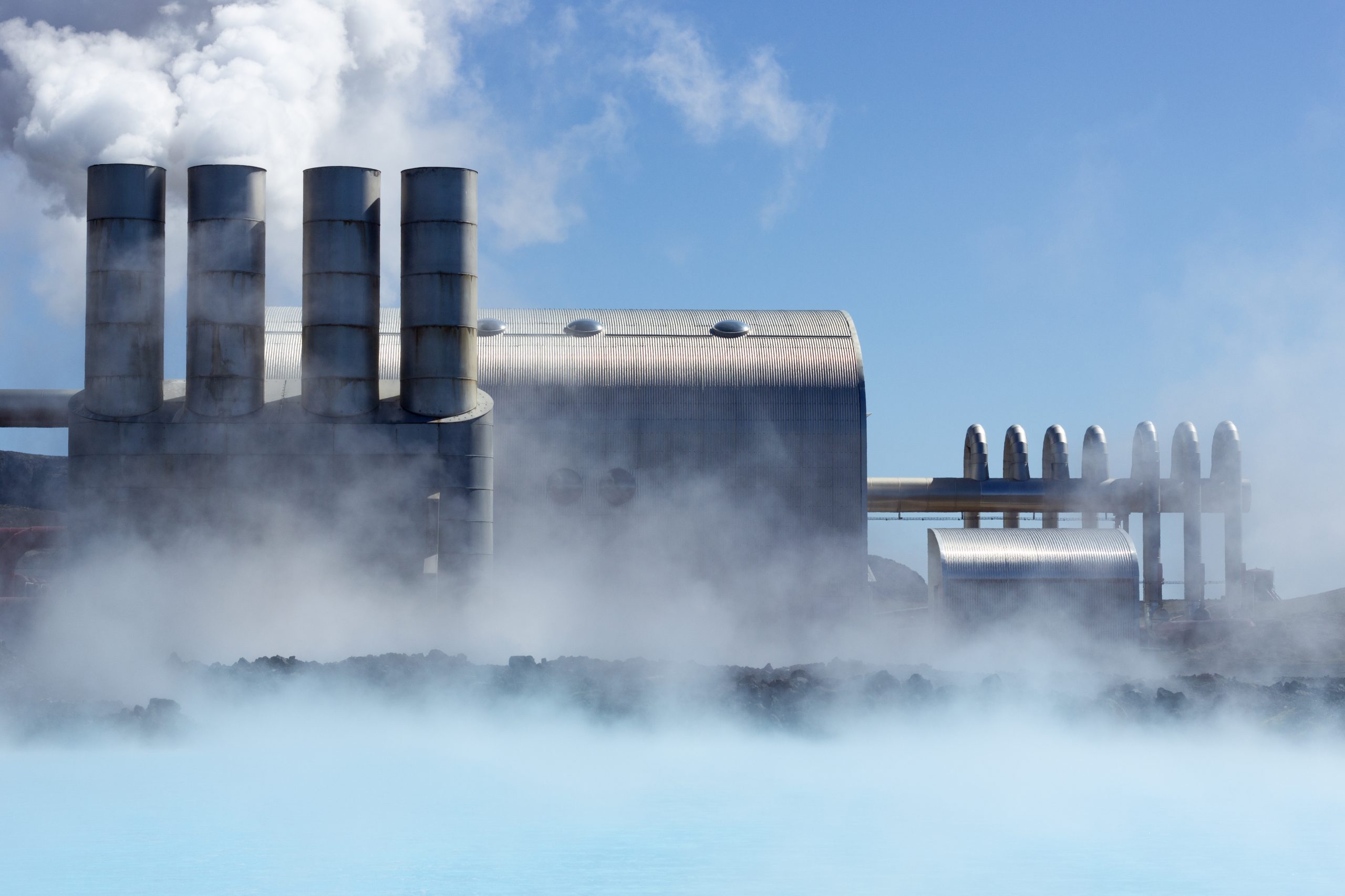
- Sustainable and renewable energy sources, such as geothermal, are necessary for the long-term health of the planet, yet geothermal wells are a high-risk component of development.
- Oceanit acoustic metamaterials could provide near real-time assessment of well conditions, vastly improving safety
11 January 2022 | U.S. Energy Secretary Jennifer Granholm announced today that Oceanit was awarded one of 158 Department of Energy grants totaling $35 million, awarded to 68 small businesses in 24 states, including projects relating to wind turbine and wind farms, improved battery electrolytes, solar generation of hydrogen, and upcycling of carbon dioxide, along with a wide range of other efforts.
Oceanit’s project will center on developing advanced metamaterials to improve diagnostics for geothermal energy. Building upon previous development of acoustic metamaterials, Oceanit will demonstrate methods to continuously monitor geothermal wells’ mechanical stress states and thermal and chemical condition. Responsive metamaterials effectively turn a well into a sensor, improving monitoring capability and de-risking geothermal development.
Geothermal energy, such as using water from hot springs for bathing and space heating, has been around for millennia. More recently, geothermal power (generating electricity from geothermal energy) has gained in importance, with many scientists believing that the Earth’s geothermal resources can sustainably supply all of humanity’s energy needs. Geothermal holds the promise of clean energy, yet has perplexed those who want to tap into its massive resource, because it also risks emitting toxic fumes, like sulfur gas, sulfuric acid steam and other health challenges.
To address this, Oceanit recently received support from US DOE to investigate constructing a “digital well” by using smart materials to build geothermal well casing. Over the last several years, Oceanit has developed a variety of nanotechnology and smart materials that can sense and report on operating conditions while also in use. This work originally started with Oceanit’s DOD research into smart materials that could measure, sense, and report on a variety of conditions, e.g., aircraft stress, corrosion, viruses, etc. Consistent with Oceanit’s “Intellectual Anarchy” approach to creating disruptive innovation, Oceanit will repurpose some of the fundamental research into a practical, real-world application that they hope will help with energy transformation – providing clean, renewable energy while protecting the local community and environment.
Currently Oceanit is in discussions to develop partnerships with international and national energy companies who would participate in the development effort and have rights to deploy the technology in their geothermal endeavors.
“Supporting small businesses will ensure we are tapping into all of America’s talent to develop clean energy technologies that will help us tackle the climate crisis,” said U.S. Secretary of Energy Jennifer M. Granholm. “DOE’s investments will enable these economic engines to optimize and commercialize their breakthroughs, while developing the next generation of climate leaders and helping to build a sustainable future to benefit all Americans.”
DOE Small Business Innovation Research (SBIR) and Small Business Technology Transfer (STTR) awards aim at transforming DOE-supported science and technology breakthroughs into viable products and services. The awards also support the development of specialized technologies and instruments that aid in scientific discovery.
Expansion of sustainable geothermal power is a critical part of reducing greenhouse emissions and preventing catastrophic warming of the planet. Oceanit’s acoustic metamaterials can reduce the safety risks involved in geothermal development. Sustainable and renewable energy sources, such as solar, hydroelectric, wind, and geothermal, are necessary for the long-term health of the planet and Oceanit is committed to energy transformation and a carbon-free energy future.
“This is part of our overall energy transformation strategy,” said Dr. Patrick Sullivan, Oceanit’s CEO, “we need to reduce impact immediately from current energy sources while simultaneously create and develop new energy sources. To effectively do this, we consider the entire energy business ecosystem – exploration & production, transmission, refining, distribution, carbon sequestration and new energies.”
Founded in Honolulu, Hawaii in 1985, Oceanit is a privately held, award-winning innovation company that works to solve important problems across sectors like aerospace, energy, environment & climate, ocean sciences, health, and materials. A ‘Mind to Market’ company, Oceanit employs the unique discipline of Intellectual Anarchy to transform fundamental science developed in the lab into impactful technologies for the market. Oceanit creates cutting-edge solutions, services, and products recognized for excellence in advanced technology R&D and aimed toward delivering the future for the next 100 years.
This is one of two DOE grants awarded to Oceanit in support of sustainable energy development in the latest round of DOE solicitations. More information about all the projects announced by DOE today is available at the following link: https://science.osti.gov/sbir

IN THE NEWS | COP26, Sustainable Energy, and the Transition Away From Fossil Fuels
The COP26 summit and Glasgow Climate Pact have underlined the need to reduce global greenhouse gas emissions quickly and equitably.
While sustainable energy technologies are progressing rapidly and becoming more viable every day, fossil fuels still make up 80% of the global power supply, emitting around 35 gigatons of CO2 annually. Any hope of remaining below 1.5°C of warming will require us to cut emissions by 45% from 2010 levels — down to around 18 Gt per year.
However, replacing fossil fuel systems with renewable power facilities and infrastructure will take time — particularly for emerging nations with fewer resources and rapidly growing energy demands. A recent study showed that at least in the United States, 80% of existing coal-fired power plants are more expensive to operate than to swap out for new renewables. Despite this finding, coal continues to be widely used for power generation in the developing world, where plants tend to be younger and cheaper to operate.
Additionally, projected increases in wealth and population indicate that global energy demand will grow by nearly 50% by 2050. To meet this demand and reach a 45% global reduction in CO2 emissions by 2030, the world will need to add around 11,600 TWh of sustainable power capacity every year until then. For some perspective, in 2019, the world added just 440 TWh of renewable energy capacity — the second largest increase in renewable energy output ever.
While the United States’ strong presence at COP26 shows that the country is recommitting to mitigating climate change, we are in a race against time. While sustainable energy technologies mature and become cheaper, we cannot allow emissions to continue unabated. We can—and should—reduce emissions from fossil fuels immediately, even as we work to replace them.
Oceanit is committed to driving disruptive innovations in the entire energy sector, to improve the safety and efficiency of existing systems, enabling impactful emissions reductions right now. We believe that sustainable and renewable energy sources must be the focus of our future, but we also recognize that fossil fuels will continue to play a significant role in energy generation for years to come. Rather than waiting for a silver bullet, or an economic one, Oceanit is committed to continually improving energy—diving into the deep end of dirty energy as it is today and seeing through the entire process to make it what it ought to be.
CO2 emissions are currently our biggest contributor to global warming. Phasing out fossil fuels as quickly as possible is the clearest path to reducing those emissions, but there is still more that can be done.
As a whole, fossil fuel-powered plants run at approximately 40% efficiency. This is because most of the fuel burned is lost to heat rather than converted into usable energy. Improving power plant efficiency and preventing even a fraction of that energy loss would translate to significant emissions reductions.
To that end, Oceanit has been working in the field of nanotechnology for over 15 years – developing nano material technologies that can improve cycle efficiency massively.
Heat exchangers and condensers are ubiquitous in refineries and power plants. Using nanocomposite treatments, Oceanit has found it possible to greatly improve power generation cycle performance by preventing fouling and deposition on nanocomposite-treated surfaces. As of 2021, HeatX, our surface treatment for heat exchangers, has been deployed at over a dozen power plants and refineries around the world and reliably improves efficiency by as much as 7%, correlating with massive carbon savings.
For every 1 GW of power generation capacity, emissions are reduced by about 300,000 tons of CO2 per year. If applied globally, HeatX could mitigate 1.26 billion metric tons of CO2 emissions—equivalent to the amount of carbon sequestrated by 1.5 billion acres of forest or the carbon savings of 262,000 wind turbines operating annually.
While applied in a dozen power plants and refineries at the time of writing (November 2021), the hope is that HeatX will be deployed in twice that number in 2022. By improving the efficiency of fossil fuel plants as they await decommissioning, humanity can buy the time needed to reach our ambitious renewable energy goals.
Methane—also called natural gas—was another big topic at COP26, with more than 100 countries agreeing to cut methane emissions 30% by 2030. Although we emit far more CO2 than methane (by a factor of 60), methane has a much stronger greenhouse effect and is responsible for about a third of the warming associated with human activities.
A 2018 study showed that in the US alone, as much as 7.1 million tons of methane is emitted into the atmosphere due to transport (pipeline) and storage (tank) leaks and improper venting. Much of this loss is due to poor adherence to pipe and tank inspection best practices, severe system corrosion, and subsequent failure in the form of leaks.
Another Oceanit nanocomposite, DragX aims to address this problem. Like HeatX, DragX is a surface treatment that mitigates corrosion and build-up of deposits by preventing debris from attaching to treated surfaces. DragX is designed for application on natural gas pipelines. It can be applied to long, in-situ pipelines of any diameter to increase efficiency—even on old, in-service pipelines.
DragX has a direct influence in reducing methane emissions on several fronts. Tests have shown that surfaces treated with DragX experience 36x less corrosion (microbially-induced corrosion) than untreated pipes, thereby protecting the structural integrity of pipelines and preventing leaks. DragX also enables a lengthening of the intervals between pipe inspection and maintenance, a process that requires a pipe’s contents to be vented out into the atmosphere.
Because burning natural gas produces relatively fewer emissions than other fossil fuel energy sources, it will likely continue to be used for a while, even as coal and oil are more aggressively phased out. And so, as gas infrastructure ages, it will be increasingly important that we ensure the integrity of our natural gas pipelines to prevent methane from leaking into the atmosphere.
A global energy transition to sustainable sources is a fraught process, with no simple answers. Yet, great strides have been made in developing electric vehicles, better battery technologies, and the sustainable energy sources to lead this charge. But simply replacing fossil fuel energy with renewables is not enough. Even if there were unanimous global buy-in (which there is not), the rate at which we need to act would require almost unthinkable amounts of resources and labor. By paralleling the global energy transition with improvements in existing fossil fuel infrastructure, we give ourselves a far greater chance at success.

Managing Methane Could Buy Us Time to Cut Carbon
Even if we were to cease all human-caused carbon dioxide emissions today, the Earth would continue to experience persistent climate warming for decades due to CO2’s long atmospheric lifespan. Despite all we’re doing to cut emissions — altering the way we think about the industrialized world’s most basic building blocks — cutting carbon emissions will not be enough by itself.
Carbon dioxide is not the only greenhouse gas contributing to warming the planet. To have any hope of reaching the goal of limiting warming to 1.5–2°C, we must also pay attention to methane.
Methane, CH4, occurs naturally as a byproduct of wetland environments, but the vast majority of methane emissions today — 330 million tons annually — is the result of human activity. Primarily generated by the energy and agriculture sectors, these methane emissions contribute to about one quarter of the warming that the world is experiencing today. While humans emit CO2 at a much higher rate than methane (by a factor of over 60), methane has a far more severe greenhouse effect.
Over a 20-year period, methane gas contributes to more than 80x the warming than the same amount of carbon dioxide does. Luckily, when compared to carbon dioxide, methane is more potent and shorter-lived in the atmosphere. While carbon dioxide can stick around in the atmosphere for centuries or even millennia, methane’s atmospheric half-life is only about a decade. Reducing methane emissions quickly and dramatically would have a noticeable impact on global warming trends within the next two decades. As such, halving our methane emissions by 2030 could slow warming by around 30%, shaving 0.25°C off our predicted warming by 2050, and over 0.5°C by 2100.
Additionally, recent studies show that we can reduce our emissions by 57% utilizing current, already available technologies alone. And, according to the International Energy Agency (IEA), as much as 40% of methane emissions from the fossil fuel industry — 9% of all human methane emissions — can be eliminated at minimal costs for companies.
That’s because methane is also significantly more valuable than CO2.
Methane accounts for around 30% of the world’s fossil fuel consumption as the primary component of what’s referred to as ‘natural gas.’ Burning natural gas for energy results in lower emissions — of nearly all types of air pollutants, including carbon dioxide — than burning coal or petroleum products (50–60% less CO2 is emitted by burning natural gas compared to coal) to produce an equal amount of energy. And unlike carbon dioxide, a byproduct of petroleum energy production, methane itself is a commodity, so companies have an economic incentive to reduce the amount of methane lost to the atmosphere. This is where enormous gains can be made — if the math can add up.
In recent years, the United States has become a net exporter of natural gas. Over 300,000 miles of natural gas pipelines crisscross the U.S., providing energy to consumers, businesses, and other countries. While natural gas is a cleaner and more efficient fuel, the transport and storage infrastructure accompanying it is aging and degrading at a time when demand is increasing, leading to leaks, pipe failures, and even explosions. These accidents, of course, have negative impacts on the environment and human health.
Like damaged goods or petty theft for retail companies, this “spillage” of methane represents lost revenue for energy companies. If affordable measures can prevent leaks in natural gas production, transport, and storage, these companies stand to benefit just as the environment does.
A 2018 study of natural gas facilities around the U.S. showed that methane emissions from America’s oil and gas industry are 60% higher than Environmental Protecting Agency estimates, due to transport and storage leaks and improper venting — as much as 7.1 million tons. Much of this can be mitigated by improving best practices and adopting new technologies.
Leak detection and repair (LDAR) is a vital process for all parts of the supply chain from extraction to distribution, as even small leaks can lead to catastrophic failure. However, by the nature of LDAR programs, the more frequently they run, the fewer leaks they catch, while each run costs the same amount regardless. LDAR also tends to have lower costs higher in the production stream where infrastructure is concentrated within a facility rather than throughout the length of a transmission pipeline. And so, companies often have a hard time economically justifying frequent, regular inspection and repair, particularly on transmission and distribution lines.
Every time a natural gas pipeline is vented or leaks, harmful, yet valuable methane is released into the atmosphere. This not only impacts the environment but means lost revenue and loss of a relatively clean-burning fuel supply. And so, with best practices not always being followed, new technology and innovation could lead the way.
Low-cost, high-efficiency technologies may offer a head start to energy companies for both their safety and environmental impact goals, and to their bottom lines.
For the past several years, the U.S. Department of Energy (DOE) has supported Oceanit in developing a suite of nanocomposite surface treatments to improve the efficiency and reduce the environmental impacts and risks around our country’s aging energy infrastructure. With support from the DOE’s Office of Fossil Energy’s National Energy Technology Laboratory (NETL), Oceanit has developed a novel, water-based surface treatment that prevents corrosion, pitting, and leaks in metallic pipes — and could significantly contribute to reducing methane emissions.
This innovation is called DragX.
DragX is a non-toxic, water-based nanocomposite that creates a slick, low surface energy passivating layer when applied to metal surfaces. When applied to the interior of a pipe, the omniphobic (water- and oil-repelling) properties mitigate corrosion and build-up by preventing anything from attaching to a pipe’s surface. It can be applied to long, in-situ pipelines of any diameter to increase efficiency — even on old, in-service pipelines.
Widespread deployment of DragX could be the key to mitigating leaks in fossil fuel supply chains around the world. It could minimize the risk of infrequent inspections by protecting the structural integrity of pipelines. Independent lab testing has shown that pipes treated with DragX are 36 times more corrosion-resistant than untreated pipes. That is, a pipe treated with DragX would take 36 years to corrode as much as an untreated pipe does in just one year.
DragX can also decrease the amount of methane vented into the atmosphere by minimizing debris buildup and allowing pipelines to run more efficiently for longer periods. When pipelines are opened for inspection or maintenance, the gas within the pipe is often vented out. Pipelines coated with DragX are resistant to adhesion and deposition of unwanted debris. With less buildup, pipelines run more efficiently and require less frequent maintenance and therefore less venting.
So-called “drop-in” solutions like DragX offer more than just environmental benefits — they make financial sense too. DragX can be applied in-situ to pipelines of all ages, so there’s no need to replace parts or dig up pipelines in order to deploy. It isn’t a big piece of machinery, nor does it require any additional maintenance. DragX simply reduces corrosion, mitigating unnecessary methane emissions and preventing lost product and lost revenue. While the environmental benefits should be reason enough, the added economic benefits encourage wider spread adoption.
Although reducing methane emissions sounds simple in theory, it will likely require continued government support to reach the levels necessary for significant savings in short-term warming. With support from the DOE, companies can weigh significant investments into emissions and leak prevention using affordable innovations like DragX.
DOE funding enabled the development of DragX, and with energy industry buy-in, Oceanit has successfully deployed DragX at three pilot sites for short-term monitoring and long-term durability testing. Test results have consistently confirmed DragX to be a commercially viable and economically attractive solution to provide significant drag reduction benefit, while also improving safety by mitigating corrosion, pitting, and pipe erosion — reducing leaks and lowering methane lost to the atmosphere.

PRESS RELEASE | Eni and Oceanit Present HeatX Nanocomposite for Dynamic Decarbonization at ADIPEC 2021
- An Eni S.p.A. and Oceanit pilot program demonstrated a 97% reduction in fouling in refinery heat exchangers (HX) with nanocomposite treatment HeatX, reducing carbon emissions by up to 17,000 tons annually in the pilot facility alone
- Taken on a global scale, HeatX’s ability to prevent fouling in power plant and refinery HX equipment could mitigate of 85 million tons of CO2 emissions annually
- HeatX is an ultrathin nanocomposite designed to improve heat transfer on HX surfaces by changing the surface energy and repelling fouling
Abu Dhabi, United Arab Emirates. 16 November 2021 | Eni S.p.A. and Oceanit presented the results of a collaborative pilot program at the Abu Dhabi International Petroleum Exhibition and Conference (ADIPEC), which demonstrated the potential to reduce carbon emissions from a single power plant by 17,000 tons annually. The 12-month pilot was conducted at Eni’s Nikaitchuq upstream facility in Alaska, where Oceanit applied a novel nanocomposite treatment called ‘HeatX’ to combat fouling and corrosion issues in heat exchanger (HX) systems.
The negative impacts of fouling and corrosion on HX systems is well documented in the energy industry, inflicting losses in HX efficiency and productivity. HX surfaces treated with HeatX showed a 97% improvement compared with untreated control surfaces, preserving heat transfer performance, preventing fouling, and reducing the need for supplemental heating in the treated system.
These efficiency benefits affected a direct reduction in fuel burned and emissions released. Eni data shows that HeatX nanocomposite, when fully deployed at their Alaska facility across all HX systems, could reduce annual facility emissions by over 17,000 tons of CO2.
HeatX is an ultrathin surface treatment that creates an extremely low surface energy, making it difficult for any kind of deposit or fouling to adhere to treated surfaces. HeatX had previously proven its capacity to mitigate fouling in seawater-fed HX systems at a powerplant in Hawai’i. The collaboration with Eni in Alaska was the first time HeatX was tested in a refinery setting.
During the one-year pilot, a produced-water exchanger (PWX) was treated with HeatX, and a nearby sales-oil production exchanger (SOPX) in the same process train was left as an untreated control. Despite the fact that the PWX handled unprocessed crude oil, while the SOPX handled the same product after processing, the HeatX-treated PWX experienced no surface buildup or deposits during the deployment, while the control SOPX experienced significant build up and exchanger tube obstruction.
In the ADIPEC technical presentation and accompanying paper, Eni showed how the pilot results represent significant potential for carbon emissions reductions for refineries worldwide. At the Eni test facility alone, preserving heat transfer efficiency averted emissions would equal the annual carbon sequestration capacity of 19,500 acres of forest.
Now that the HeatX technology has been proven and the economic benefits have been qualified on a pilot unit in the field trial, Eni will deploy the HeatX nanocomposite on its production exchangers in a nearby North Slope facility.
Eni is an integrated energy company headquartered in Rome with operations in 68 companies around the world. Considered one of the seven “supermajor” energy companies, Eni is involved in all aspects of energy from the development of new energy solutions to more traditional hydrocarbon exploration and production. Staunchly committed to the United Nations Sustainable Development Goals, Eni aims to reach net zero emissions by 2050. Reducing its current emissions by improving efficiency with drop-in technologies such as HeatX is a key step in that process.
Founded in Honolulu, Hawaii in 1985, Oceanit is a privately-held, award-winning innovation company that works to solve important problems across sectors like aerospace, energy, environment & climate, ocean sciences, health, and materials. A ‘Mind to Market’ company, Oceanit employs the unique discipline of Intellectual Anarchy to transform fundamental science developed in the lab into impactful technologies for the market. Oceanit creates cutting-edge solutions, services, and products recognized for excellence in advanced technology R&D and aimed toward delivering the future for the next 100 years.

Hawaii Book & Music Festival 2021 | Conversation: The Bitcoin Solution for Hawai‘i Energy
 On Thursday, October 21 from 4:00 - 5:00pm, Sterling Yee, Oceanit's Director of Strategic Consulting Services, will moderate a conversation with Blockchain Solutions Hawai‘i (BSH) founder, Nathaniel Harmon about the physical realities of 100% renewable energy for Hawai‘i and how the Hawaiian Islands' location offers a potential win-win solution that utilizes our greatest resource, the deep ocean, in a discussion titled: “The Bitcoin Solution for Hawai‘i Energy”.
Nathaniel received an M.S. in Marine Geology and Geochemistry from the University of Hawai‘i Manoa and founded the Hawaiian Islands Conservation Collective in an effort to harness locally educated scientists to restore native ecosystems. Having been involved with Bitcoin since 2013, Nathaniel founded Blockchain Solutions Hawai‘i (BSH) with the goal of creating “Hawai‘i’s Blockchain Helpdesk.” Through BSH Nathaniel provides consulting and educational services to businesses, individuals, and legislators alike, pioneered a Zero-Knowledge On-Boarding Security service, and developed commercial grade software ecosystems for 2nd Layer Bitcoin solutions using Sidechains and the Lighting Network.
Sterling Yee's recent project experience included the organizational change management (OCM) efforts for the State of Hawai‘i business transformation initiatives. The main focus areas of the OCM effort included leadership, communication, learning and knowledge transfer, organizational structure and job redesign, and resistance management. Prior to Oceanit, Sterling served as the COO of La Pietra – Hawai‘i School of Girls, as the General Auditor of Hawaiian Electric Industries, Inc (HEI). In 2012 he was appointed by the Hawaii State Legislature to the State IT Steering Committee. He serves on the boards of the American Lung Association, the School for Examining Essential Questions of Sustainability, and other boards.
RSVP at the link below.
The 16th annual Hawaii Book & Music Festival returns virtually, October 1 – November 4, with its core program of Hawai‘i Authors, and community thought leaders and experts in Hawai‘i Sustainability & Resilience, Health & Wellness, Innovation Future, Hawaiian Culture, amplified by national and international Authors addressing some of the greatest issues for Hawai’i’s future.

PRESS RELEASE | Oceanit Receives U.S. Department of Energy Award to Develop Water-Saving Innovations for Natural Gas Recovery & Environmental Management
- Energy from natural gas produces half the CO2 of coal, yet its extraction has significant impacts on water use and exacerbates scarcity in well areas
- A single unconventional natural gas well requires millions to tens of millions of gallons of water to extract natural gas held therein
- Oceanit, in collaboration with U.S. Dept. of Energy, aims to reduce the water used to recover natural gas by up to 90%
Honolulu, HI | 19 July, 2021 – As part of Oceanit’s ongoing commitment to energy transformation, the U.S. Department of Energy’s (DOE) Office of Science selected Oceanit to develop an improved system for unconventional wells that significantly reduces water usage, greatly decreasing the ecological, climate and social impacts of natural gas recovery.
Using a novel delivery medium with a proprietary smart material, Oceanit aims to reduce the water used to recover natural gas significantly, by up to 90%, compared with current methods, mitigating water depletion from increasingly water-starved areas. The fluid mixture used for typical energy exploration production contains 95% or more water, with a single well requiring millions to tens of millions of gallons to extract. By adding gas to create a foam, water use will be reduced by 90% compared to a typical production operation; the natural gas within the foam can thereafter be recaptured.
Oceanit will build upon vast experience in chemistry and materials engineering to develop this advanced, low-viscosity foam—principally composed of water and natural gas—which will be paired with another Oceanit ‘smart materials’ technology. In combination, these two technologies could save water on the order of tens of millions of gallons per site.
Over the last two decades, hydraulic fracturing has proliferated across the country, shifting U.S. energy consumption away from coal and towards natural gas. Natural gas produces half the CO2 of coal, and many therefore see unconventional wells as a benefit to the environment. However, due to the high water intensity, many of the areas with unconventional wells are facing increasing water scarcity as a result. Additionally, as climate change progresses, rainfall and snowmelt are becoming less reliable, which will further restrict water supplies.
Oceanit’s new project aims to reduce the negative aspects of the unconventional natural gas well processes to unmask the environmental benefits of reduced carbon emissions. Cleaner natural gas, recovered with significantly reduced water consumption, will greatly improve the ecological footprint of natural gas recovery.
It is well understood that humanity needs to reduce greenhouse emissions to have a fighting chance at preventing catastrophic warming of the planet. Oceanit believes sustainable and renewable energy sources must be the focus of our future. Solar, hydroelectric, wind, geothermal, and more are necessary for the long-term health of our planet and are committed to energy transformation and a carbon-free energy future. Yet, systemic change will not happen instantaneously; and adoption of renewable energy is not yet feasible in many places. However, we do not have to wait until renewables become more cost-effective to begin cutting carbon emissions. We can make an impact now.
As we further develop renewable energy technologies, Oceanit is tackling the necessary task of improving what is already in place. “This is part of our overall energy transformation strategy,” said Dr. Patrick Sullivan, Oceanit’s CEO, “we need to reduce impact immediately from current energy sources while simultaneously create new energy sources, e.g., green hydrogen. To effectively do this, we consider the entire energy business ecosystem – exploration & production, transmission, refining, distribution, carbon sequestration and new energies.”
Oceanit brings disruptive innovation to the entire energy space—from production and transmission to power generation and refining processes, and even water waste reduction and carbon capture—to improve the safety and efficiency of existing systems, enabling impactful emissions reductions right now. Countries will continue to use fossil fuels for a significant portion of our energy generation for years to come. We cannot wait for a silver bullet. Oceanit is committed to continually improving energy; diving into the deep end of dirty energy as it is today and seeing through the entire process to make it what it ought to be.
Founded in Honolulu, Hawaii in 1985, Oceanit is a privately-held, award-winning innovation company that works to solve important problems across sectors like aerospace, energy, environment & climate, ocean sciences, health, and materials. A ‘Mind to Market’ company, Oceanit employs the unique discipline of Intellectual Anarchy to transform fundamental science developed in the lab into impactful technologies for the market. Oceanit creates cutting-edge solutions, services, and products recognized for excellence in advanced technology R&D and aimed toward delivering the future for the next 100 years.

Friday Five: 5 Things to Know About a Hydrogen Fuel Future
It is widely accepted that humanity must reduce greenhouse emissions to have a fighting chance at averting a catastrophic warming point for our planet. Hydrogen may well be the key to our energy transformation and decarbonization.
Oceanit was recently awarded several U.S. Department of Energy (DOE) awards to develop novel clean energy technologies that enable sustainable hydrogen fuel use while reducing human climate impacts. Oceanit’s hydrogen programs will deliver progress toward a sustainable hydrogen fuel-based economy of tomorrow—perhaps sooner than most realize.
For some people, the thought of hydrogen power is terrifying – summoning images of Zeppelins and fiery doom. For others, it’s a complete unknown. After all, we hear a lot about carbon-intensive fossil fuels and clean green energy like wind and solar, and even sometimes geothermal or nuclear power, but outside expert circles, hydrogen – and its challenged and opportunities – is rarely discussed.
However, that is changing as experts throughout the scientific community, who have long believed that hydrogen fuel is how we’ll power the future of humanity, now find their voices amplified by world leaders focused on reducing our collective carbon footprint.
Hydrogen (H2) is the first box in the periodic table, the most abundant element in the universe, one proton and one electron. And, when combined with oxygen in a fuel cell, hydrogen is an extremely efficient, clean-burning fuel that produces only water vapor as a by-product. H2 is colorless, odorless, tasteless, non-toxic, and yet highly combustible.
H2 is a very small molecule that, at least on Earth, is rarely found in a pure form naturally. It’s primarily found attached to other elements, forming compounds like water (H2O) or in ammonia (NH3).
Hydrogen is considered an ‘energy carrier’ rather than an ‘energy source’ because it does require energy input to produce. Think of it like electricity, except it doesn’t require a battery. As an energy carrier, it can both deliver and store energy as a liquid or a gas—and does so at a very high rate relative to its mass. Around 120 MJ/kg to be exact—nearly three times the energy density of gasoline at 45.8 MJ/kg.
And, hydrogen power can be used virtually anywhere energy is needed: for transportation, infrastructure, residential, commercial, and even portable applications.
It’s no wonder scientists and climate experts have been excited about it for decades. Yet, some challenges to do exist.
For decades—centuries even—hydrogen has been an elusive dream energy, a silver bullet theorized to efficiently and cost effectively power the world, satisfying all of our energy needs. But there have been a few hiccups along the road.
For one, hydrogen is incredibly flammable, and a little mishap involving a hydrogen-filled airship in the 1930s gave us one of the most iconic images of the 20th century and left generations of people skittish about the idea of using hydrogen to power things.
Aside from fear stemming from events almost a century past (hey, the Titanic happened a little over a century ago, yet we still ride cruise ships), there are real challenges to large-scale adoption of hydrogen power…at basically every step of the production and supply chain.
While the idea of adopting hydrogen fuel as a norm is exciting, we aren’t anywhere near that becoming reality yet. Hydrogen storage systems are big and heavy, making it impractical for basically anyone outside the industrial sector. We haven’t quite figured out how to store hydrogen efficiently without losing a bunch of energy in the process. Transporting hydrogen is another beast of an issue, riddled with issues like contamination, leakage, and efficiency loss. And all of the above create safety issues that impact every step of this chain.
Perhaps the largest barrier, though, is just making hydrogen in the first place. Hydrogen is extremely reactive, and so even though it makes up 90% of the visible universe, you can’t simply ‘find’ pure hydrogen here on Earth. In order to isolate hydrogen and use it for energy, we need to pry it away from the other elements that it’s bound to—an energy-hungry process that isn’t ‘clean’ by default. Which leads us to…
Although hydrogen is a colorless gas, the energy industry categorizes it into color grades based on how it’s produced. Black, gray, and brown hydrogen are produced from fossil fuels and are therefore all pollution heavy.
The majority of hydrogen used today is considered gray hydrogen—hydrogen produced by breaking apart the hydrocarbons (hydrogen + carbon molecules) found in natural gas. Unsurprisingly, once you remove the hydrogen from hydrocarbon, you’re left with carbon in the form of CO2. And we really cannot declare hydrogen to be a clean energy if its very production produces greenhouse emissions.
The next step up the chain is blue hydrogen. Blue hydrogen isn’t much different from gray hydrogen except that it involves recapturing the carbon emitted from the process. It still uses fossil fuels, and it still isn’t a fool-proof zero-emissions process, but it’s definitely better than just letting it rip!
The end goal, the holy grail of hydrogen, is green hydrogen (bet you didn’t see that one coming). Green hydrogen can be created through a process called electrolysis, which involves electrifying water to separate the H2 from H2O. If powered by renewable sources like wind or solar, the only by-product of green hydrogen is sweet, sweet oxygen.
Obviously, green hydrogen is the variety that we want to fuel our lean, clean hydrogen dreams. As of 2021, though, only 0.1% of hydrogen produced is considered green. In the timeless words of Kermit the Frog, it’s not easy being green.
Unfortunately, hydrogen is expensive. Prohibitively expensive. Currently, green hydrogen costs between $3/kg and $6.55/kg to produce, while blue hydrogen is at $1.40-2.40/kg and gray is at $1-1.80/kg. For perspective, hydrogen fuel cell cars can travel about 380 miles on $100 of hydrogen—and current hydrogen fueling stations mostly use gray hydrogen. (On the other hand, a comparable gas-powered car can travel 420 miles on a $50 tank of gas.)
Green hydrogen is the one we want, and there’s a lot that goes into its high price. Electrolysis production capacity is almost nonexistent—around just 200 megawatts globally (compared to over 4000 gigawatts or 4,000,000 megawatts in fossil fuel production). The process is expensive, and the renewable energy required to power the electrolysis process is still relatively expensive itself.
It’s a chicken-or-egg scenario: The technology and infrastructure required to enable the expansion of green hydrogen is expensive and still unperfected, and so there’s little demand. And because there’s little demand, costs remain high as there’s no incentive to increase competitiveness.
Luckily, it’s 2021, and incentive is on the way.
The world is really hot right now, and it’s mostly because of all the fossil fuels we’ve been burning for the last 200 years. World leaders have finally caught on to the urgent need for better sources of energy, and hydrogen is at the top of the list (as it should be, obviously).
In June 2021, the Biden administration and the U.S. Department of Energy announced the “Hydrogen Shot,” an ambitious plan to dramatically decrease the cost of green hydrogen, making it viable for widespread use. The goal: slash green hydrogen prices by 80%, dropping costs to just $1/kg.
Other powers—including Japan, Korea, Canada, China, and the EU—have also pledged support for hydrogen in recent years, aiming for truly massive increases in hydrogen production and use by as soon as 2030.
With government investment and support, hydrogen power doesn’t seem so far-fetched. Aside from the hurdles of hydrogen generation, there’s actually a lot going for hydrogen. Hydrogen fuel cell-powered cars already exist with more and more automakers taking the leap as improvements to fuel cells continue to roll out. Hydrogen can be transported using existing natural gas pipelines, and it can contribute to our current electric grid, so we can make use of hydrogen energy even while we wait for development of hydrogen-specific infrastructure.
And once hydrogen truly takes off, it has the potential to effectively replace fossil fuels and combustion engines completely. Rather than relying on electricity and advances in battery technology to power our green future, adding hydrogen to our toolbelt gives us far more room to innovate and diversify, and betters our chances of coming off carbon completely.
PRESS RELEASE | Oceanit Receives U.S. Department of Energy Awards to Support Novel Clean Hydrogen Strategy
Honolulu, HI | 21 June 2021 - Oceanit has been awarded several 2021 U.S. Department of Energy (DOE) awards to develop novel clean energy technologies that enable sustainable hydrogen fuel use while reducing human climate impacts. Oceanit’s hydrogen programs will deliver progress toward a sustainable hydrogen fuel-based economy of tomorrow—perhaps sooner than most realize.
The DOE awards will further Oceanit’s overall strategy to address difficult global climate challenges with fundamental science and technology. “To be effective, we had to step way back and take a broad and fundamental look at the energy industry,” said Oceanit Founder and CEO, Dr. Patrick Sullivan. “As Daniel Yergin articulated in his Pulitzer Prize winning book The Prize – The Epic Quest for Oil, Money and Power, it’s bigger than a single technology.”
Sullivan continued, “Energy transformation will require an encompassing energy strategy that has to recognize the reality of current business practices and interests. This had us breaking down the energy business into major elements/buckets and developing a technology roadmap for each of these buckets, including: exploration and production (E&P), transmission, refining and distribution of energy products. Additionally, we are addressing a 5th bucket: decarbonization. With this in mind, we set out developing technology strategies that address these functional business elements—enabling businesses to operate and deliver energy the world expects, while reducing climate impact to humans and society.”
Oceanit’s internal strategic review led to hydrogen, which has long been an elusive dream fuel for the energy sector. Hydrogen is the most common element in the universe and has the promise of becoming the fuel of the future for machines and systems—if it can be generated, transported, and stored efficiently and safely. Moreover, to limit climate change caused by the global rise of CO2 emissions, technologies built around sustainable fuels, like hydrogen, will be critical in helping the world achieve climate goals. As science and technology advances, what was once considered impossible, has become possible.
Internally, Oceanit has launched several hydrogen programs covering production, transmission, refining, distribution, and storage, as well as decarbonization. As part of a Mind to Market strategy, Oceanit sought partners, like the Department of Energy, who have dedicated teams that understand energy and are willing to take on risk in support of new ideas and innovation.
The recent DOE awards back Oceanit’s approach to transmission safety of hydrogen using existing infrastructure. The opportunity is significant: if the energy sector can use existing assets with minor repurposing and updates, the returns could be massive.
Oceanit’s first program will use artificial intelligence (AI) to manage deployed optical sensors—edge AI optics. Transporting hydrogen through natural gas pipelines is considered the most efficient and economical way to move it, but comes with significant safety challenges.
This approach will enable lightweight, edge AI for continuous unmanned monitoring of natural gas blends, ensuring safe hydrogen concentrations within pipeline-quality natural gas streams. The real-time monitoring will be scalable and cost-effective, compatible with existing pipeline systems, and have hydrogen-specificity among diverse gas mixtures. It will ensure that build-ups or blockages are detected early and can be mitigated.
Second, Oceanit developed nanocomposite surface treatments to protect pipeline integrity for a dangerous phenomenon called “hydrogen embrittlement.” This occurs when small hydrogen molecules wedge themselves into the metal, making the metal brittle and at risk of rupture. Oceanit’s nanocomposite treatment will have two key benefits. It creates a protective barrier on the inside of pipelines to protect against damage, which minimizes hydrogen diffusion into the metal and creates an omniphobic “ultra-slick” surface that has the added benefit of drag reduction, thereby reducing the energy cost to transport while providing increased flow assurance.
These programs are the first set of hydrogen-focused, DOE-backed programs designed to address hydrogen transportation in pipelines. Oceanit expects to continue collaboration with the DOE and international energy industry partners to develop new technologies to transform global energy, all while reducing energy impact to climate change. DOE Awards are listed here: https://science.osti.gov/sbir/Awards
Oceanit is a ‘Mind to Market’ company that employs a unique discipline to move fundamental scientific breakthroughs from the lab to the market. Oceanit is based in Honolulu, Hawaii but has offices and staff in Texas, California, Illinois, and Washington, DC. Oceanit’s unique approach to disruptive innovation is featured in a book by Dr. Patrick Sullivan, Intellectual Anarchy – The Art of Disruptive Innovation, available at Barnes & Noble, Amazon, and other outlets.

How a Microscopic Problem Led to the Largest Gas Leak in US History
...And why we must pay attention to our nation’s aging energy infrastructure
In October 2015, a massive natural gas leak was discovered in Aliso Canyon, California. In the months that followed, the leak, known as the Porter Ranch gas leak, would be widely reported as the single worst natural gas leak in United States history in terms of environmental impact.

An estimated 100,000 metric tons of methane leaked into the atmosphere, and almost 3,000 households were displaced. 36,000 victims have pending lawsuits due to ongoing health complications ranging from headaches, nausea, skin rashes, and severe nosebleeds to gastrointestinal or respiratory problems and rare forms of cancer.
The Aliso Canyon natural gas storage facility taps a reservoir of an estimated 85 billion cubic feet of natural gas serving the Los Angeles basin. It serves more than 11 million customers and 17 natural gas power plants in a region where 90% of residents rely on natural gas for heating and hot water.
A Microscopic Problem
After investigations, it was determined that this leak — the biggest natural gas leak in U.S. history - was caused by an exceedingly small problem: Microbiologically-Influenced Corrosion or ‘MIC.’
MIC is caused by the presence of microorganisms that contribute to the rapid degradation of metals and alloys exposed to soil, water, hydrocarbons, and so on. The Aliso Canyon leak was directly caused by a rupture due to microbial corrosion — microbes literally eating away solid metal casing until the natural gas began spilling out into the environment.
One way to understand the power of these microbes is by comparing them to those that live in our mouths. Left unchecked, bacteria in our mouths form the sticky film known as plaque and create acid from the sugars and carbohydrates we eat. When this acid sits for too long, it begins to eat away at the enamel that protects our teeth.
Between brushing and dentist cleanings, we have several methods to maintain our teeth and dislodge all that bacteria each day. However, in industrial gas storage and pipeline systems, it’s significantly harder to maintain their metallic surfaces, and left to their own devices, the highly resistant and adaptable bacteria colonies can propagate rapidly. And just like in our mouths, when biofouling forms on system surfaces and is left for too long, the microbes get to work eating away.
From residential gas lines to country-spanning pipelines, MIC has been the direct cause of numerous other natural gas leaks and catastrophic corrosion failures around the U.S. and the world, with the associated damages and impacts costing billions of dollars each year.
Natural gas is a flawed energy source, but it is better than many other options. While it isn’t renewable, it burns more cleanly than other fossil fuels, has lower emissions, and doesn’t produce ash or particulates like coal and diesel. Opinions run the gamut on natural gas and the cleanest ways to use it, but one thing that is certain: The United States currently relies heavily on natural gas, even if it is a temporary energy source that bridges society to more renewable sources.
Not Just Natural Gas
Another example of pipeline failure from MIC occurred in 2006 in Prudhoe Bay, Alaska. In this instance, the fossil fuel leaked was oil. Internal pipeline corrosion was found to have been caused by a type of microbe called sulfate-reducing bacteria. An almond-sized hole opened up in the pipeline, causing over 267,000 gallons of oil to spill out.
The hole was just .25 inches across, yet it forced 17 miles of pipeline to be decommissioned and replaced at a cost of around $450 million. Adding to that total was $275+ million in civil penalties, fines, and clean-up costs. Still, the impact of this leak pales in comparison to Aliso Canyon, California.
Delivering the Future
For several years, Oceanit has been working with the U.S. Department of Energy (DOE) to develop a variety of nanocomposite surface treatment technologies aimed at improving the efficiency, economics, and environmental impact of our country’s aging fossil fuel infrastructure.
Most recently, with support from the DOE’s Office of Fossil Energy’s National Energy Technology Laboratory (NETL), Oceanit has successfully demonstrated a new surface treatment that may offer a solution to the MIC problem facing the U.S.’s natural gas systems. Natural gas is a leading energy source for the United States, but the pipeline infrastructure required to process and deliver the gas is aging quickly. Oceanit’s DragX surface treatment could alleviate mounting stresses on this infrastructure while buying time for operators to refurbish and construct new pipelines.
DragX is a non-toxic, water-based nanocomposite surface treatment, which, when applied to metal surfaces, creates an ultra-slick surface and passivating layer. The omniphobic (water- and oil-repelling) surface mitigates corrosion and prevents biofouling from gaining a foothold on metallic surfaces.
Natural gas is predominantly made up of methane, a greenhouse gas 25 times more potent than carbon dioxide, and every leak is a devastating blow to the environment. In its support of Oceanit’s surface treatment initiatives, NETL is working towards solutions to significantly reduce the risk of slow, hard to detect methane leaks in natural gas pipelines. These initiatives could prevent catastrophic failure as well as enable the protection and inspection of pipelines with minimal venting of methane. This reduces the repair schedule while increasing monitoring of the pipelines and aids in stopping leaked or vented greenhouse gases from entering the atmosphere.
Independent lab testing has confirmed that Oceanit’s surface treatment approaches, such as DragX, can provide substantial protection against MIC, preventing both the bacteria colony attachment and penetration that cause corrosion. This means that pipelines coated with DragX are substantially less likely to suffer material loss and weakening of the metal.

Sections of pipe treated with DragX were tested against unprotected sections in lab environments that purposely accelerated MIC. Results showed that DragX was 36 times better at preventing corrosion material loss compared to untreated samples. In other words, a pipe treated with DragX could take 36 years to corrode as much as an untreated pipe corrodes in just one year.
Laboratory testing demonstrated that MIC could eat through approximately 20% of the wall thickness of an untreated pipe in just 3 years. Under the same conditions, a DragX-treated pipe would reach that same 20% wall loss after 105 years of linear corrosion, far exceeding any reasonable expected lifetime of the underlying steel.

Oceanit has been commercially deploying its nano-surface treatment technologies for various protection applications in areas such as geothermal energy, oil and gas, desalination, chemicals, and manufacturing. Recently, Oceanit began working with Eni, an Italian energy company, to evaluate DragX for surface protection-related challenges associated with equipment, pipelines, and storage infrastructure.
At a global level, Eni is making an aggressive push to support technology development that can accelerate global energy transition to sustainable sources and fulfill environmental commitments. After performing operational feedback field testing of Oceanit’s surface treatment technologies on heat transfer surfaces and pipelines, Eni declared DragX to be extremely promising and noted that “Oceanit’s technologies could address surface protection and efficiency improvement of both brand new and existing infrastructure, alike.”
Eni’s evaluation of Oceanit’s technologies in their Alaska assets demonstrated significant differences between pipes coated with DragX and the control — the DragX-treated pipe section showed no formation of MIC, pitting, or damage whereas the untreated pipe showed evidence of corrosion during the same time frame.
DragX’s ability to prevent MIC has far-reaching implications for the safety, sustainability, and economics of natural gas and its underlying infrastructure.
The independent lab results show just how significant the effects of Oceanit’s treatments are in arresting the spread of MIC — and demonstrate the huge potential of DragX as a preventative measure against these deteriorating conditions within the country’s natural gas infrastructure.
Mitigating MIC with DragX would make industrial systems far safer, protecting structural integrity and delivering massive impacts relating to both economics and health. In California alone, an estimated $1 billion could have been saved, and 36,000 residents in and around Aliso Canyon may have been spared the health impacts of leaked natural gas.
DragX can be applied directly to aging natural gas infrastructure, increasing the reliability of pipelines in order to meet increased capacity and energy demands across the nation. In doing so, DragX allows us safely operate our current infrastructure while we transition to more carbon-neutral energy sources.