
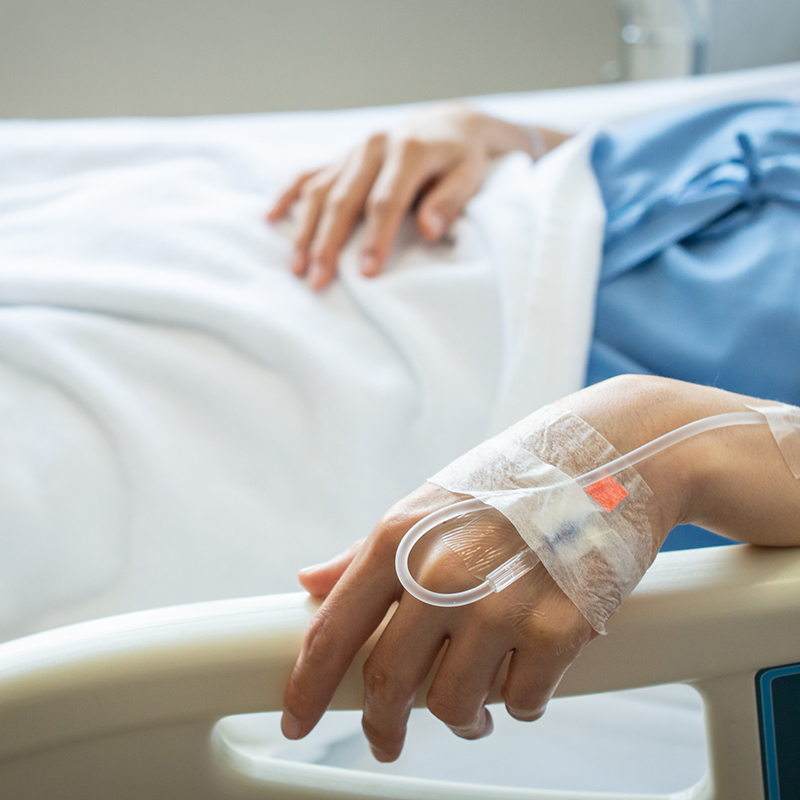
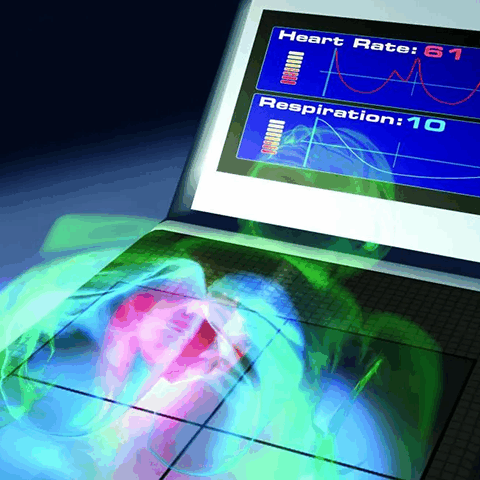
This futuristic smart hospital bed accurately gathers vital signs without wires, electrodes, or other physical attachments.
01
Remember Dr. McCoy's sick bay bed in Star Trek?
Imagine a hospital coverlet with no wires, electrodes, or other attachments that accurately gathers vital signs from a patient. This describes the LifeBed™ Patient Vigilance System by Hoana Medical, Inc., Oceanit’s first venture-funded company, spun off from Oceanit in 2002.
02
An Oceanit Venture
The early stages of research and development were funded by the U.S. Army with the goal of improving triage on the battlefield, but it has since been optimized for the hospital environment. Hoana Medical received Class 2-FDA approval on the LifeBed™ system in 2006 and is developing the next generation version aimed at improving healthcare in long-term care facilities and the home-care market. The firm has raised approximately $45 million in private equity from U.S. and Asian venture firms in four rounds of venture financing.

02
Smart monitoring
Hoana’s LifeBed™ system uses patented embedded sensor systems for physiological monitoring – tracking heart and respiratory rates without touching the patient. Its systems monitor a person’s heart rate and variability along with respiratory rate in a non-invasive manner; unlike conventional monitoring systems that require attaching electrodes, cuffs, or sensors to the patient. By analyzing the real-time biophysical data collected, Hoana’s systems report on the physical health and emotional state of the person being monitored.