
By: Dr. Patrick Sullivan

For too long, Hawaiʻi’s economy has run like a coal mine. We mine aloha, package it as tourism, and sell it. That model has reached a hard limit. Real GDP per capita has been essentially flat since the 1980s, even as the cost of living has soared and every shock—from fires and floods to global pandemics—hits us disproportionately hard.

The result is predictable: thousands of highly educated local kids don’t see a viable path to come home. This is not a talent problem; it is an economic design problem. We have not built a system that can absorb and reward the human capital we already produce.

A UHERO report from earlier this year emphasized the need for investment in real economic growth. Hawaiʻi’s GDP fell behind in the ‘90s and had stagnated ever since. The combination of high prices and low incomes has led to significant outmigration to the mainland.

Economically, Hawaiʻi is trapped on a neoclassical growth curve, where prosperity comes from extracting and consuming finite assets like the shoreline and the cultural goodwill that makes tourism possible. This approach limits what Hawaiʻi can do.

The future we should be fighting for lies on a different trajectory: endogenous growth, powered by human capital and innovation. Instead of extracting more, we think more. We invest in science, engineering, design, and new business models that create products and services the world wants.

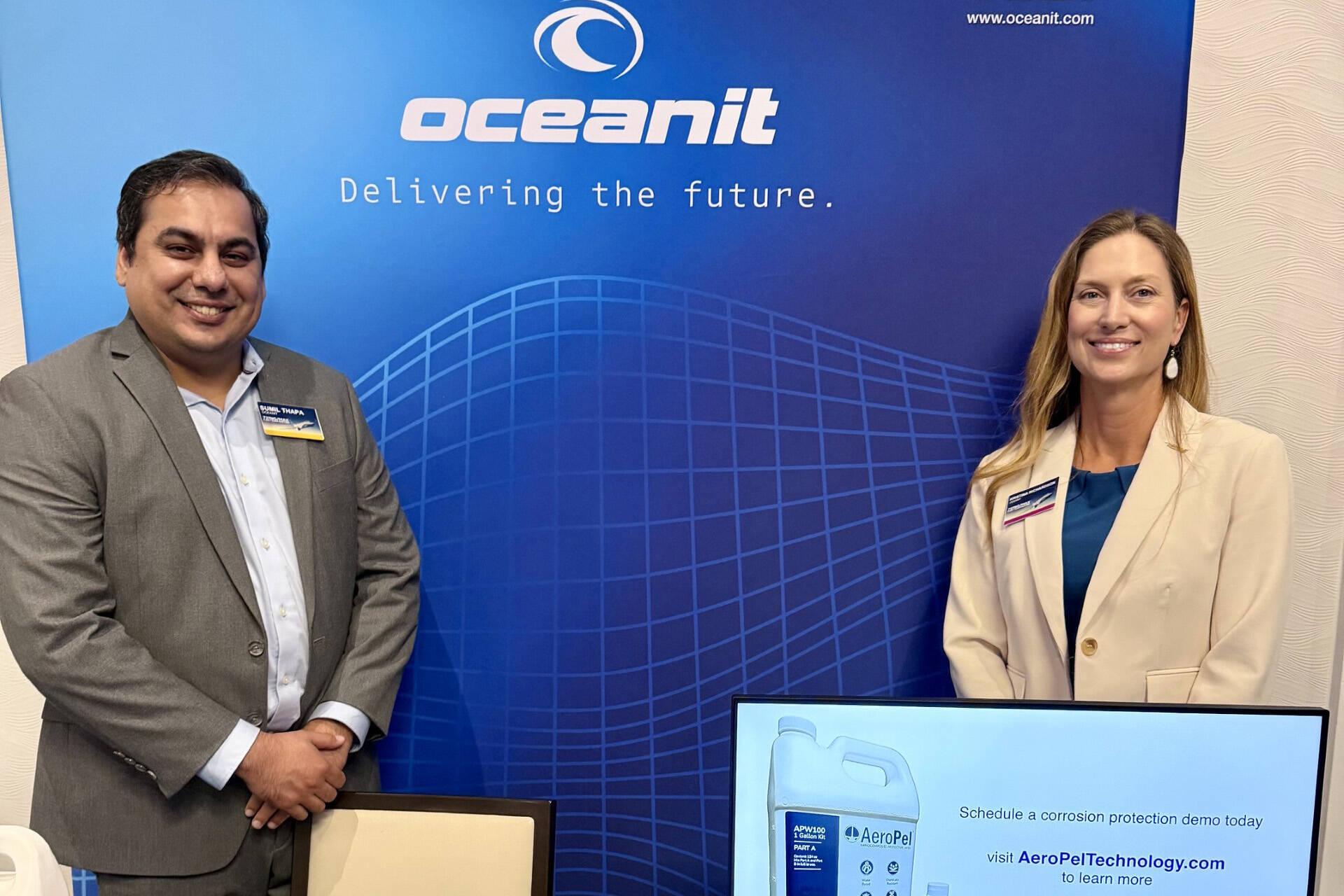
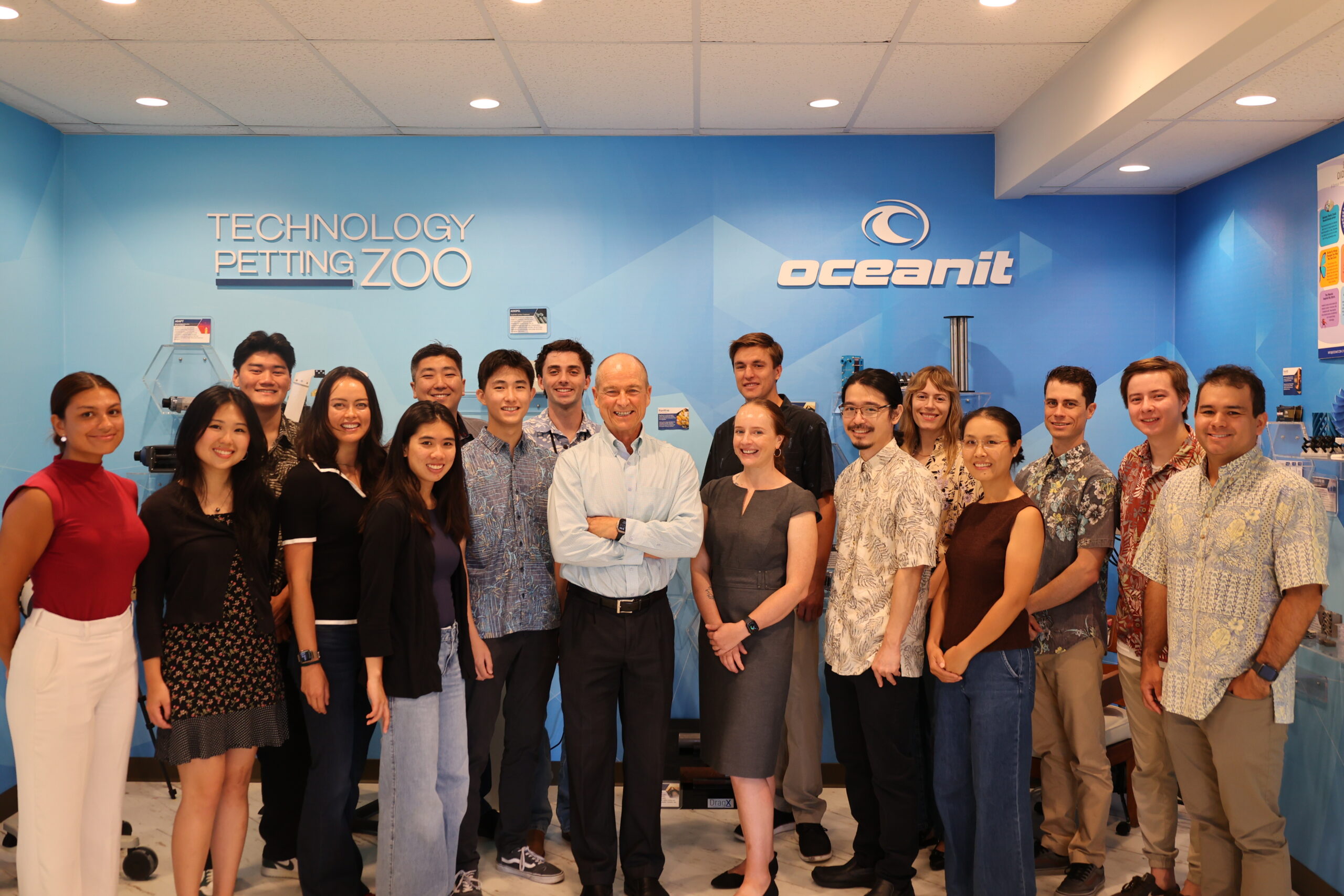
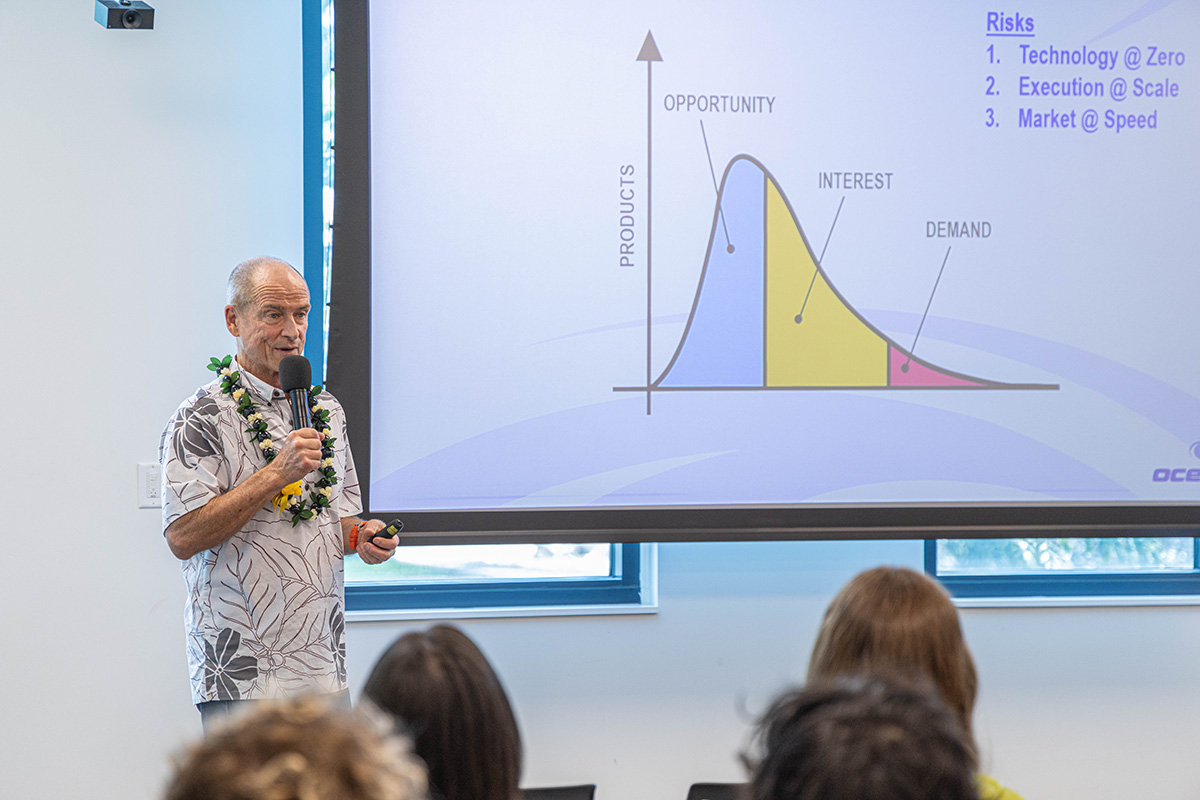
That is the core philosophy of Oceanit, a “Mind to Market” company that begins with fundamental science and pushes it to real products and businesses in energy, aerospace, life sciences, and advanced materials. Our experience shows that this is not a fantasy; it is already happening here.

Much of this work began in Oceanit’s basement lab in downtown Honolulu. We’ve developed nanocomposite coatings that improve surface integrity, all the way from aircraft corrosion to deepwater energy projects. We created pipeline drag‑reducing technologies now being deployed in the Middle East Gulf, coordinated through an industrial metaverse (also an Oceanit invention) linking teams in Honolulu, Houston, Milan, and Iraq. Using this underlying nanotechnology, we even created a protein-rich compound food additive, showing how one technology stack can underpin seemingly unrelated industries.

The point is not to celebrate individual projects, but to underscore a broader truth: Hawaiʻi’s geography is not the constraint. The constraint is our imagination and our willingness to build systems that turn ideas into global offerings.

To grow our economy, Hawaiʻi needs more than slogans; it needs a deliberate policy ecosystem built around human capital, infrastructure, and the ability to start, sustain, and grow companies. That means investing in people who can think across disciplines, updating our regulatory and financial systems to accommodate experimentation, and embracing deployment models—like franchise‑style operations and digital supply chains—that let a small local base serve global markets.

Beneath all of this lies a branding challenge. For too long, we have branded Hawaiʻi as a place of limits: too small, too remote, “just tourism.” We must rebrand it as a launchpad—a place where hard, meaningful problems are tackled for the world, from here.

Diversifying Hawaiʻi’s economy does not mean abandoning tourism. It means stopping the mining of aloha and starting to compound human ingenuity. That choice—between extraction and innovation—is ours to make, and we are already proving, one Honolulu basement at a time, that it’s within reach.

Privacy Preference Center