
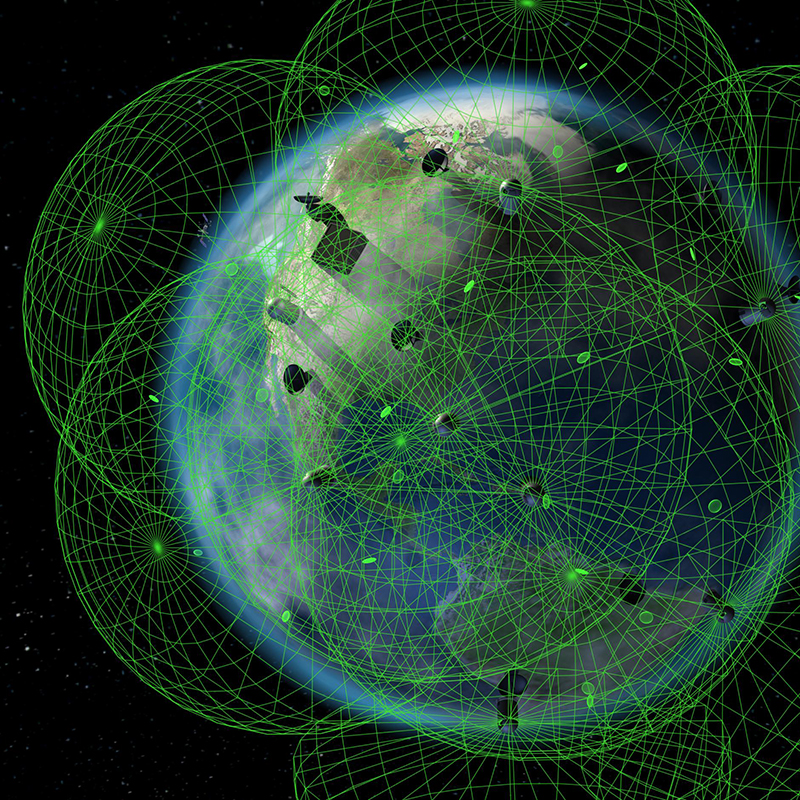
The HANDS system is a global network of autonomous telescopes that monitors space-based objects — like air traffic control for space.
Space debris is a growing problem
Since humans began exploring space in the 1950s, almost 18,000 “unnatural” objects have been put into orbit around the Earth. It’s also estimated that millions of bits of smaller space debris are floating around our planet.
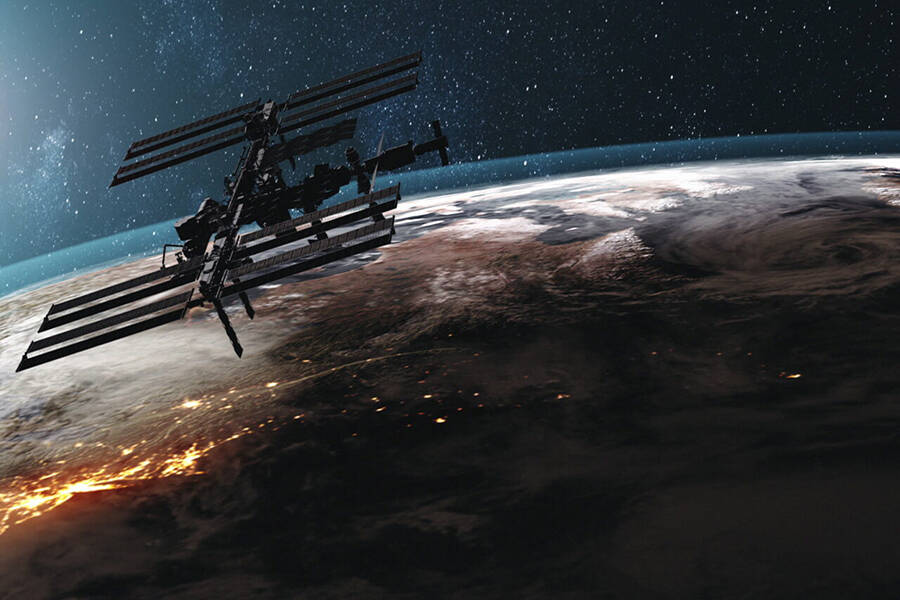
Debris can collide with objects, like satellites, or even larger structures like the International Space Station, to disastrous effect. in 1979, NASA developed their Orbital Debris Program, and since then the earth’s orbit has increasingly become populated with man-made devices such a government satellites, private telecom satellites, Global Positioning System satellites, and more.
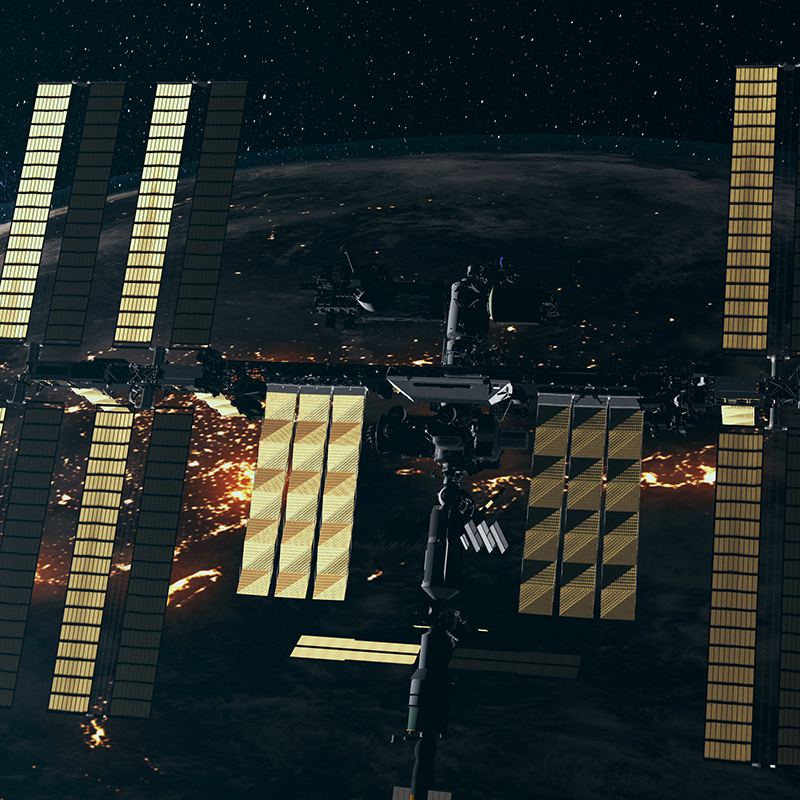
Air traffic control for space
Oceanit’s High Accuracy Network Determination System (HANDS) was developed to track these objects and debris and to ensure the safety of the International Space Station, new launches, and satellites.
The HANDS system is a global network of autonomous telescopes that accurately track space-based objects by fusing observations from monitoring sites around the world — like air traffic control for space.
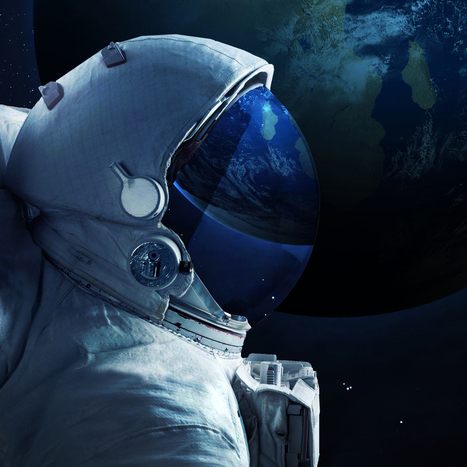
HANDS today
Initial HANDS funding came via the Small Business Innovation Research (SBIR) program for the Department of Defense’s Air Force Research Lab (AFRL).
AFRL sought new approaches to space situational awareness and, after reviewing Oceanit’s proposal, selected Oceanit to develop the system. A successful SBIR phase I, lead to phase II and III programs.
HANDS went on to become a fully autonomous, operational, and secured system for the U.S. Air Force.
See how HANDS works.