
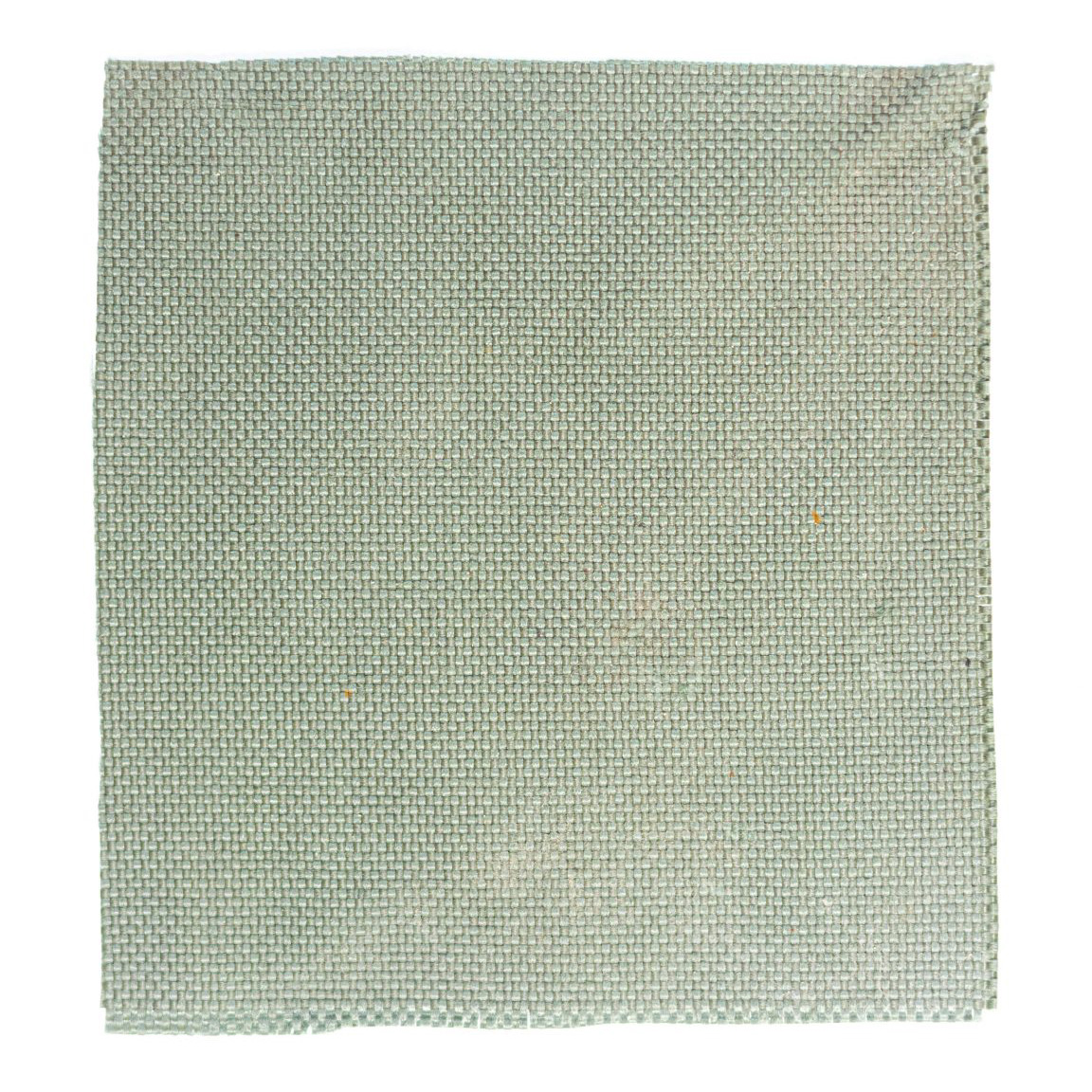
KERTEX is a durable bio-fabric made from chicken feathers, which would otherwise remain a waste product from the poultry industry.
01
Chicken feathers go to waste
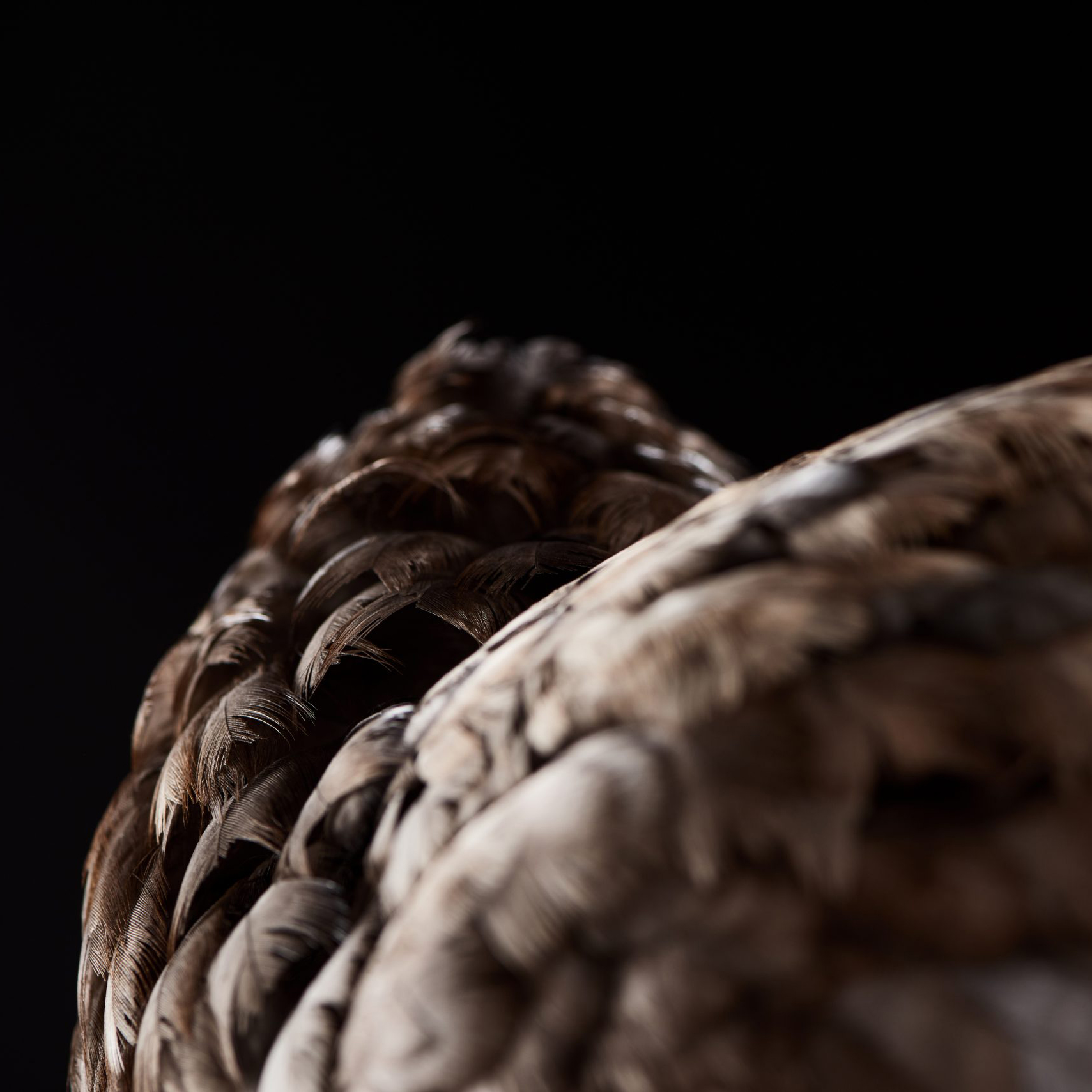
Each year, the U.S. chicken industry generates more than 1.2 million metric tons of waste feathers. These feathers (and all vertebrate animals) contain keratin, which forms hair, wool, skin, horns, nails, claws, and hooves of mammals. Keratin is a fibrous protein that possesses unique structural properties.
KERTEX is created from beta keratins extracted from this abundant bio-waste product and is positioned to be a rugged, next-gen alternative to traditional natural and synthetic fabrics.

02
Built for hard-wearing applications
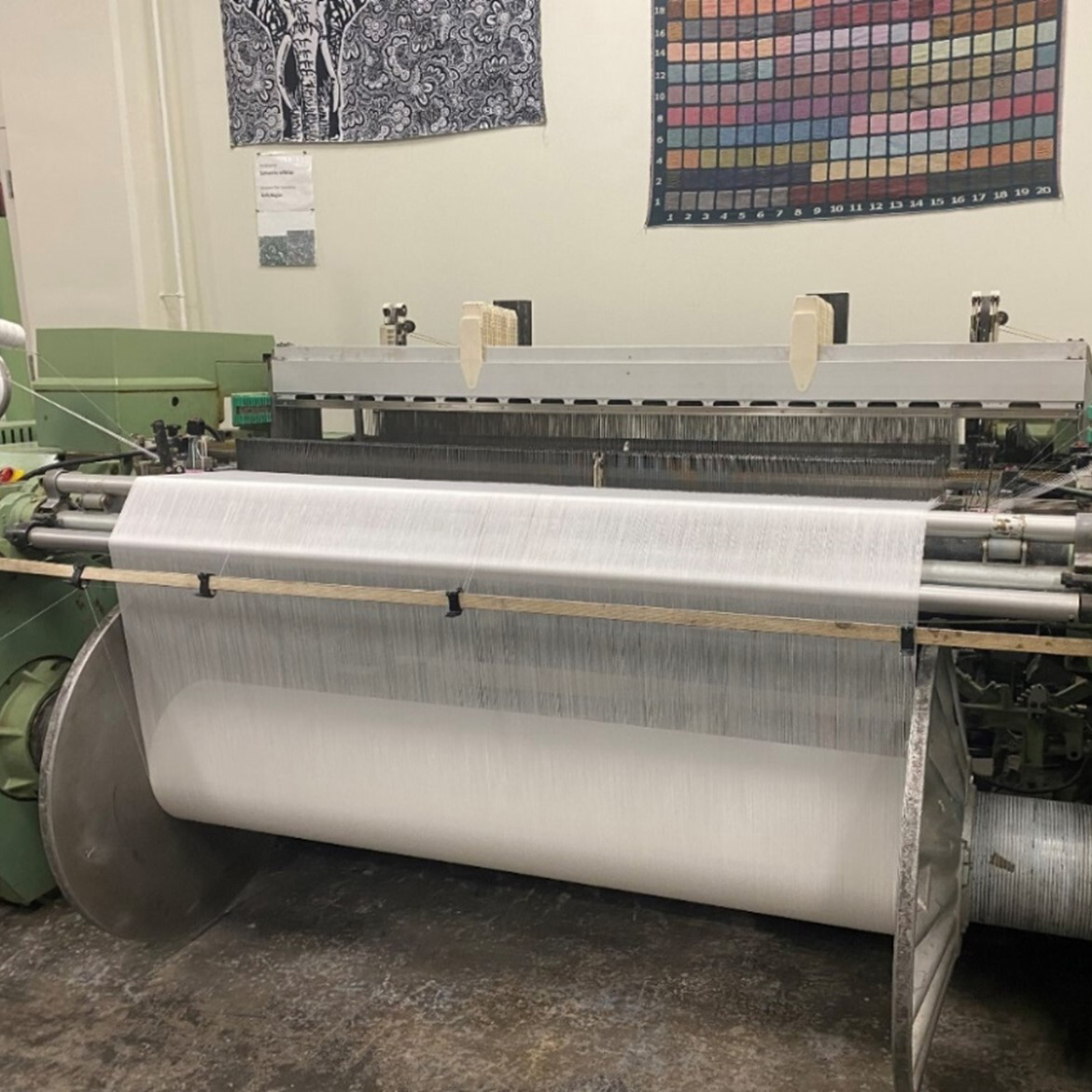
KERTEX is created from keratin biopolymer that is spun into threads, then knit or woven into fabrics. Supported by the U.S. Army, Oceanit is developing KERTEX fabrics to meet the Army’s high-wear military specifications for defense applications such as straps, apparel, vehicle seat covers, seat belts, and much more.
In addition to advantages over synthetic fabrics, KERTEX also delivers advantages over natural fiber because the raw material is not constrained by seasonality, weather conditions, harvests, or transport distances. In fact, a single chicken processing plant could produce more KERTEX raw fiber material from waste feathers annually than the entire hemp fiber production of the U.S. today.
03
An alternative to synthetic fibers
Global consumption of natural and synthetic fibers is estimated at nearly 70 million tons annually, for use not just in clothing but also in carpets, vehicles, construction materials, and a host of other everyday applications. KERTEX presents a novel, high-strength alternative that will reduce military reliance on synthetic-based materials while mitigating the drawbacks associated with natural fiber materials.
KERTEX delivers cost-effective ruggedness and performance in safety, fit, form, and function for textiles across a range of applications. The ability to dope dye KERTEX provides significant technical and process advantages, including significantly reduced production costs, decreased chemical use, and more.
"The idea here is to keep a lot of the natural strength of the keratin and to use that in our textiles."
Dr. Tarah Sullivan Suiter explains the chemistry behind KERTEX and the challenges and opportunities it affords.
At a glance
KERTEX...
is a functional protein bio-polymer with unique structural properties that provide excellent strength and durability. is created with keratin to deliver a rugged fabric with fiber strengths equivalent to wool. offers a range of industry-disrupting advantages over natural and synthetic fabrics in its production process.