

Related News

Oceanit’s Patrick Sullivan: Why he’s committed to Hawaiʻi despite policy changes
"This is home... I’m not going to give up on Hawaii," says Dr. Patrick Sullivan.
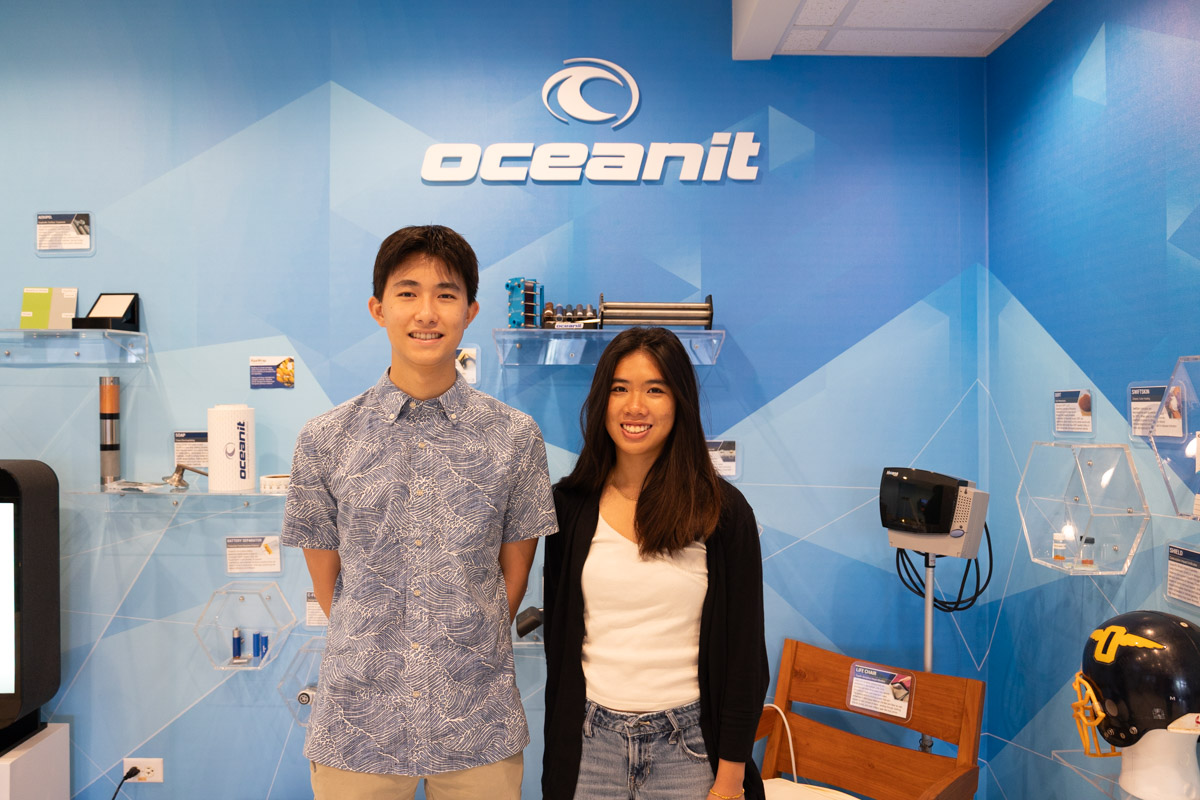
UCI engineering students develop innovative solutions to challenges in Hawaiʻi
Born and raised on Oʻahu, Chang and Kuo got the chance to return to their hometown, now as UCI engineering…

WSJ: More technology jobs in Hawaiʻi could be the future for the state
Oceanit is just one company offering technology jobs in Hawaiʻi that gives young engineers hope.
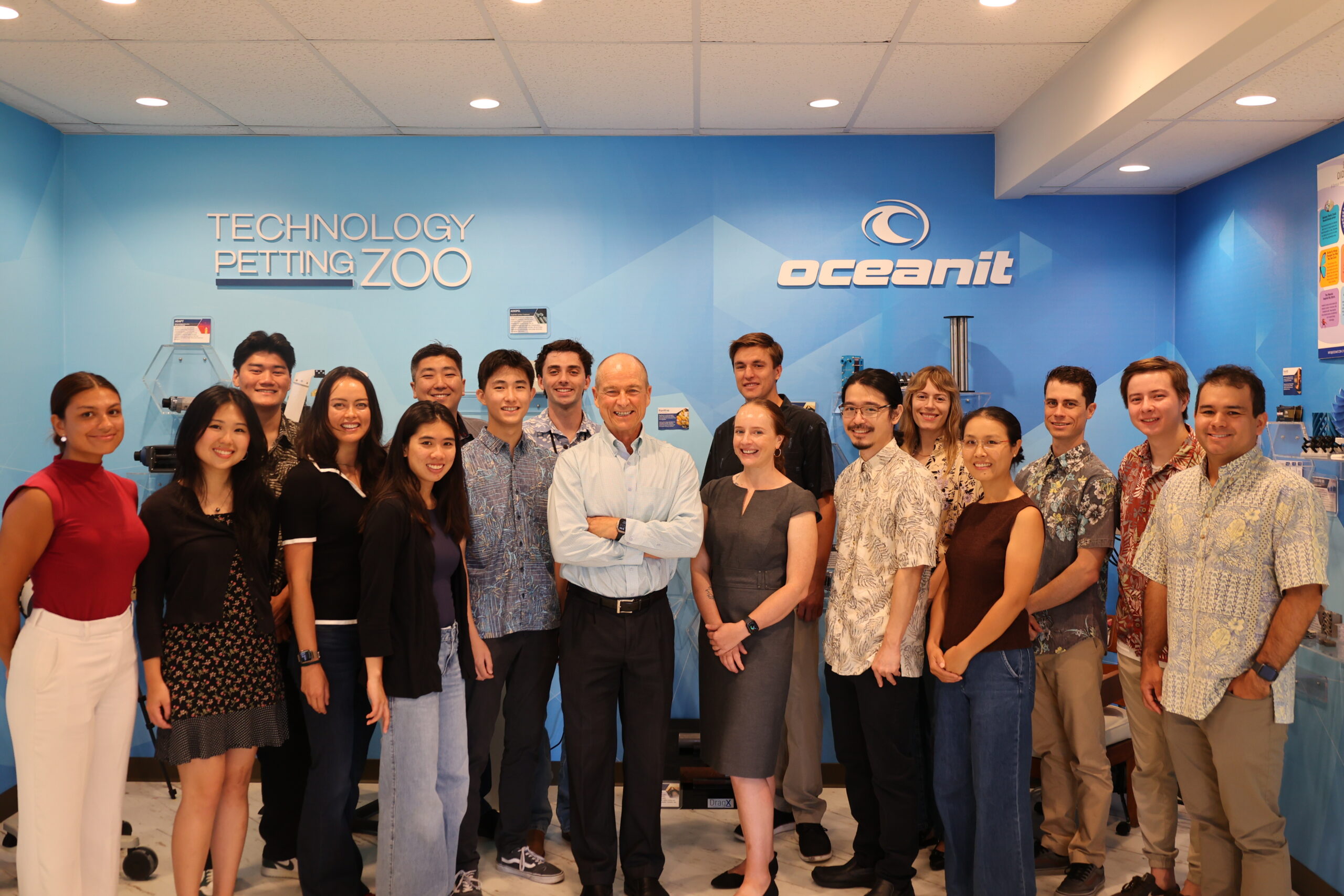
UH Mānoa engineering students showcase innovations at Oceanit summit
Four University of Hawaiʻi at Mānoa College of Engineering students put their skills to work this summer…
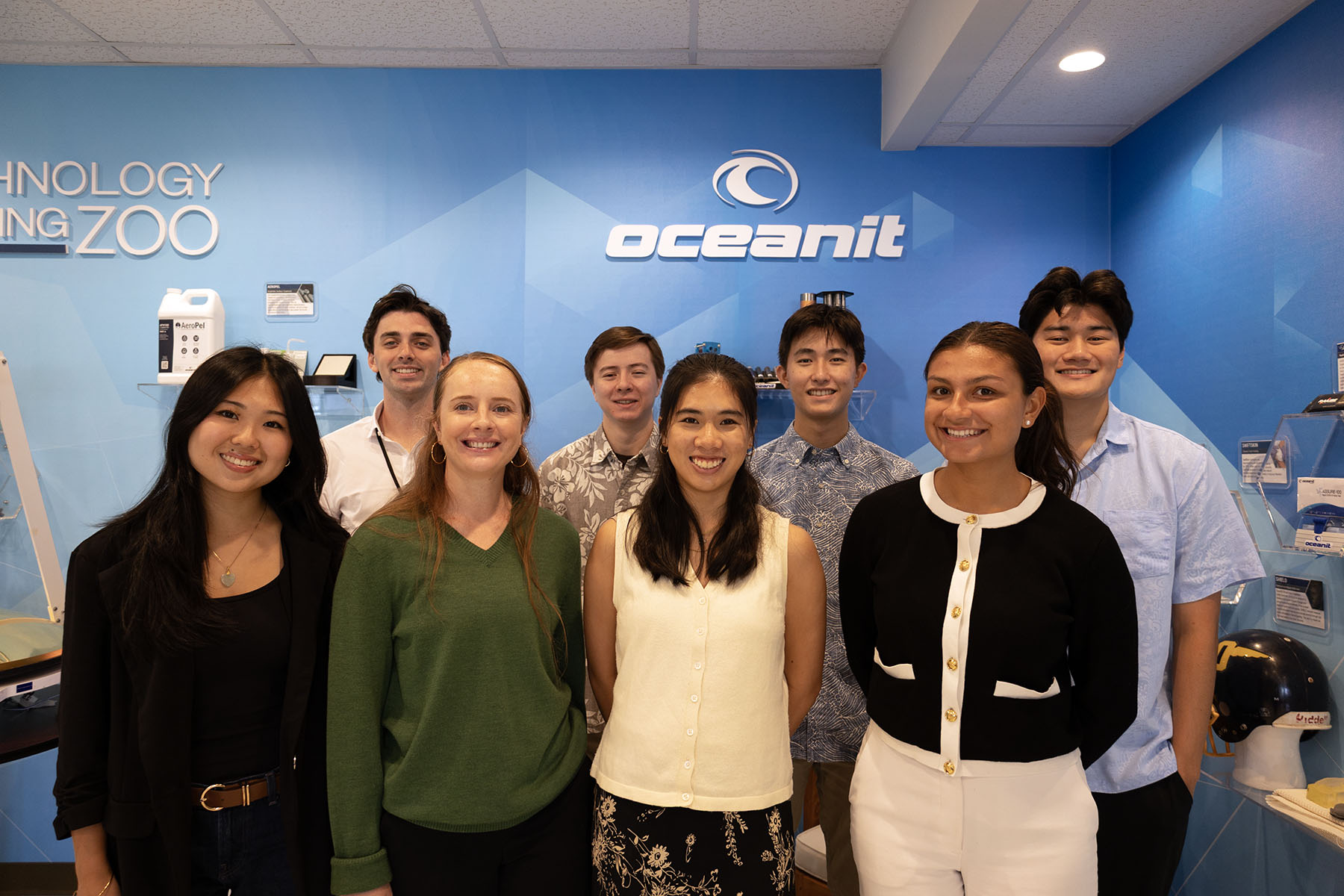
This unique Hawaiʻi internship program celebrates the next generation of innovators
After a summer of collaborating with Oceanit's multidisciplinary teams and dedicated mentors, the company's…
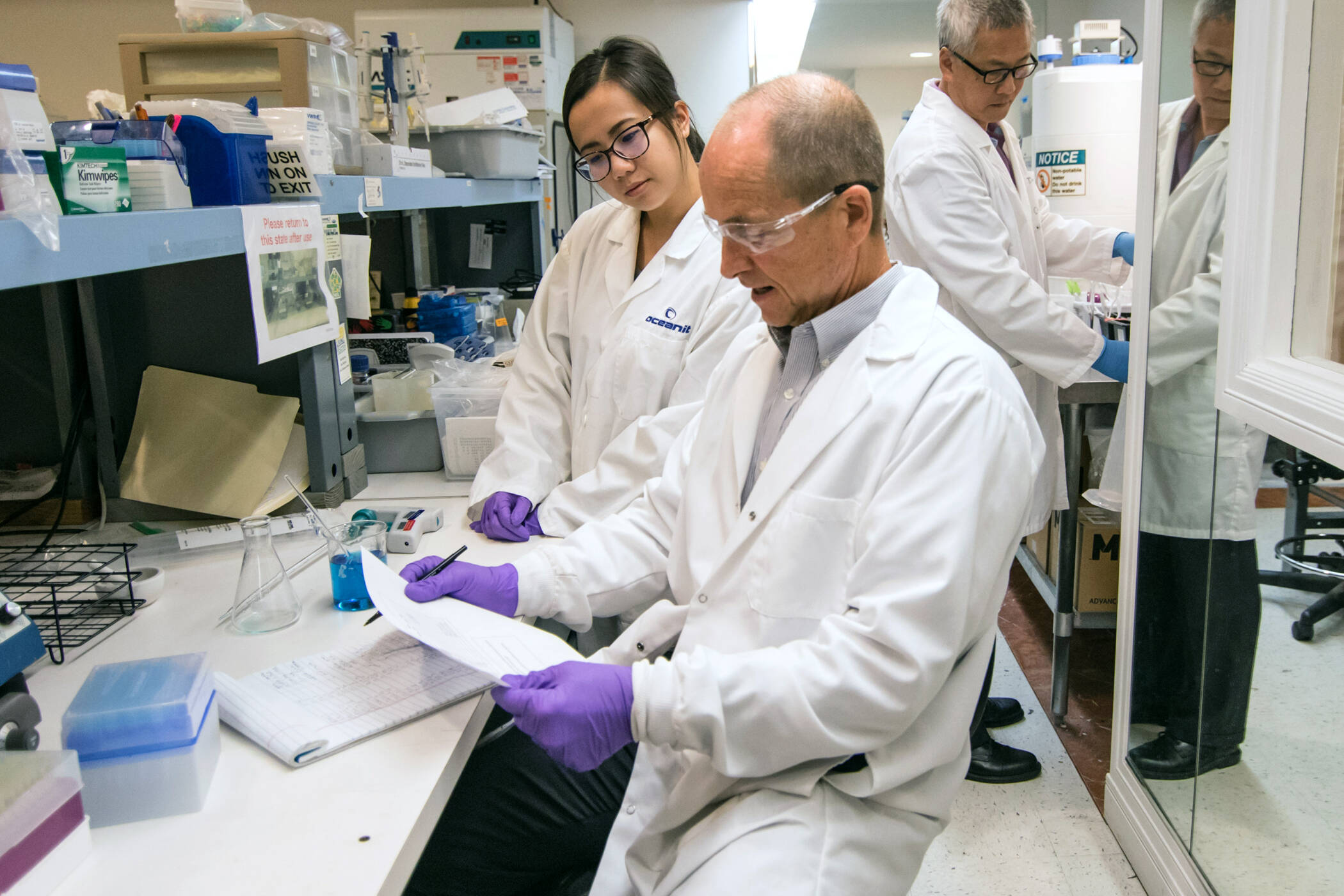
Oceanit named one of the most innovative companies in Hawaiʻi by Pacific Business News
Pacific Business News recognizes excellence and leadership in technology and innovation.
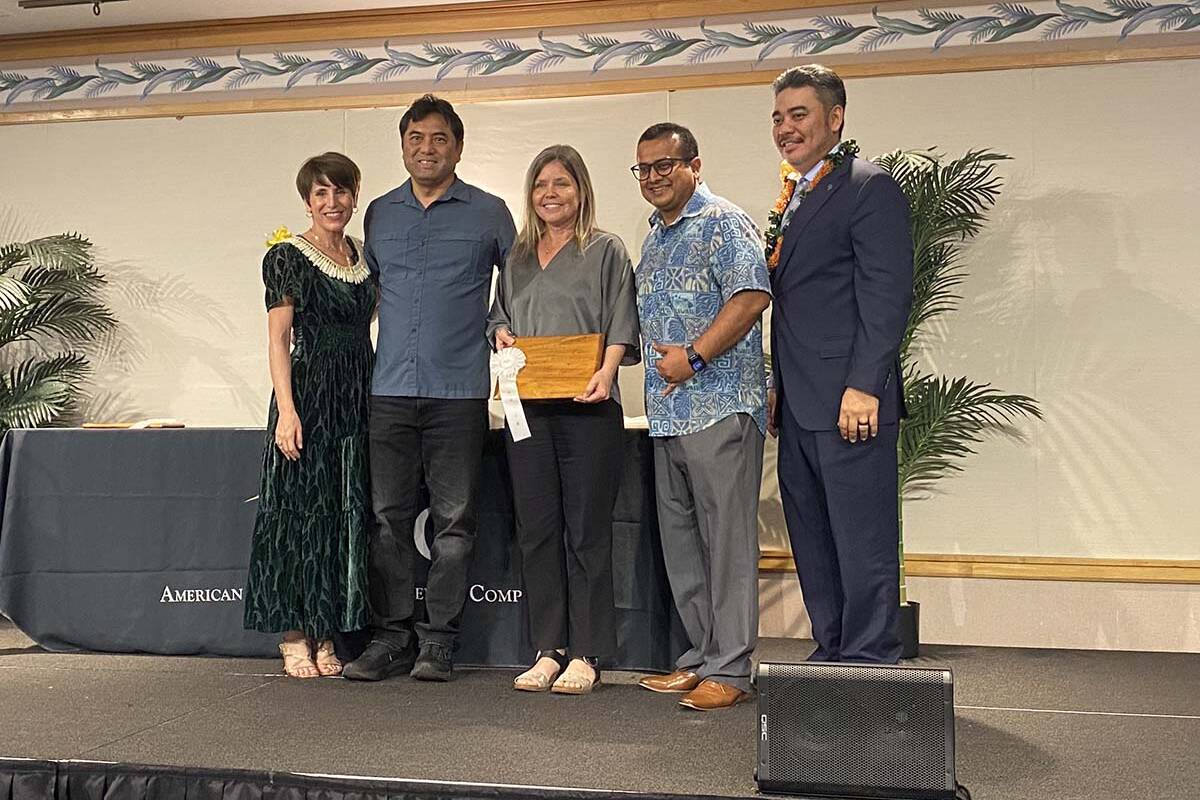
Oceanit recognized at 2026 ACEC Hawaii Engineering Excellence Awards for ʻAliomanu Road project
Oceanit has been recognized by the American Council of Engineering Companies (ACEC) Hawaii at the 2026…

High fuel prices can be mitigated by this nanocomposite treatment
Keep Hawaiʻi talent in Hawaiʻi — a statement that a Honolulu-based research and development center continues…